Tripmi★★★★★ Use it free online · Web & iOS
Open
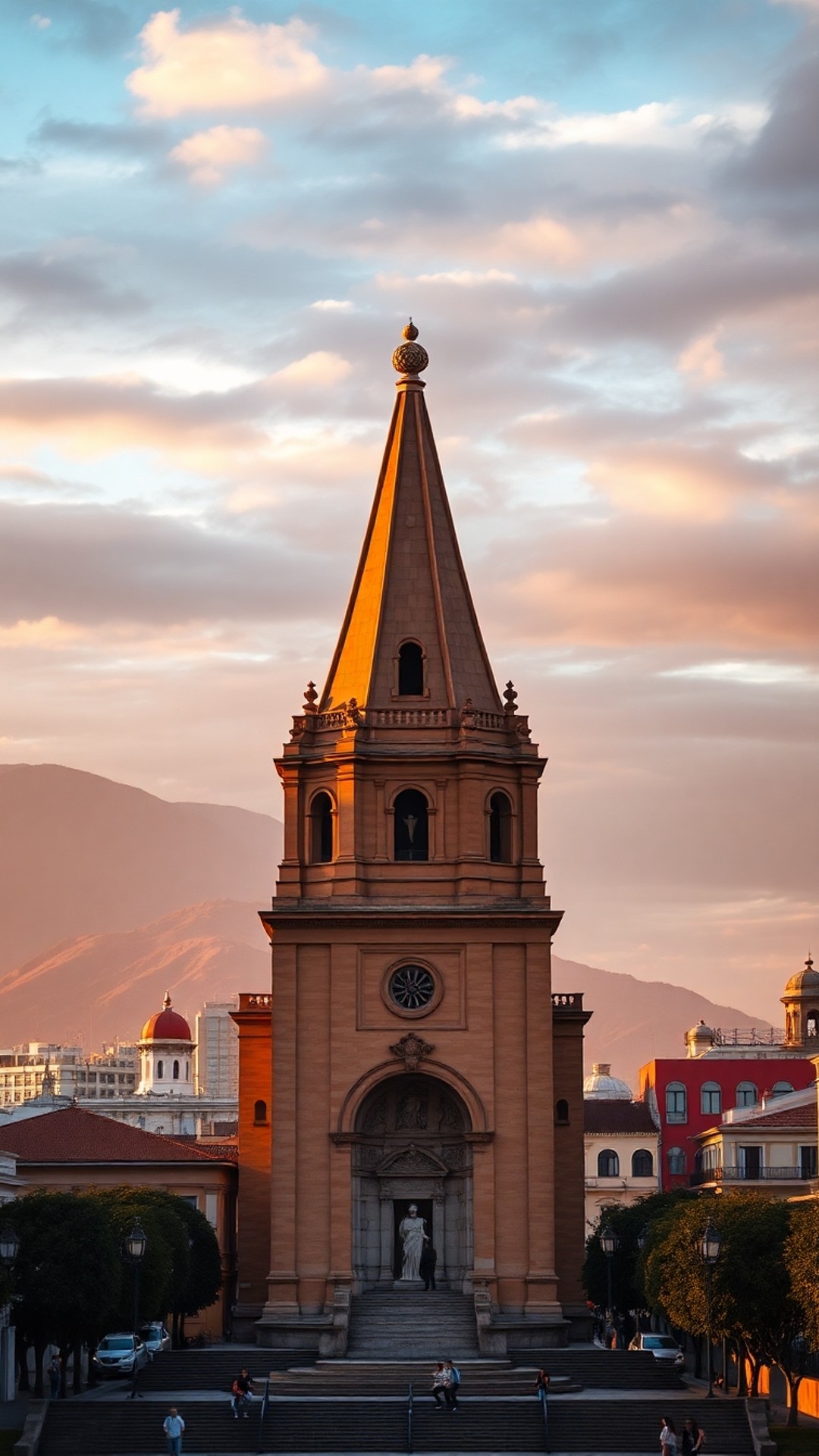
Highland charm at the equator's edge — Quito, Ecuador’s UNESCO-listed capital, combines well-preserved colonial streets, lively contemporary culture, and dramatic Andean scenery. Its compact historic center, nearby mountain viewpoints, and rich culinary scene make it an ideal base for first-time visitors to the country.
A cinematic tour of the top sights, food and local tips. Get your own AI voice guide and a trip planned just for you in the Tripmi app.
The heart of Old Town lined with the Presidential Palace, Cathedral, and arcades — ideal for starting a walking tour.
A baroque Jesuit church famed for its gilded interior and intricate woodwork that rivals European counterparts.
Neo-Gothic basilica with climbable towers offering panoramic views over the city and volcanic skyline.
Equatorial monument complex where you can stand on the 0° latitude line and see hands-on experiments at the Intiñan site.
Gondola ride up the eastern Pichincha slopes to 4,050 m with trails and sweeping views over Quito.
A restored colonial street full of artisan shops, cafes, live music and evening atmosphere—great for strolling and dinner.
Pre-Columbian art museum with a thoughtfully curated collection and contextual displays in a colonial house.
One of the largest urban parks in South America, offering cycling, hiking, and picnic spots with city views.
Bustling market where you can sample local soups, buy fresh produce and see daily Ecuadorian food culture.
National museum with archaeological, ethnographic and historic collections chronicling Ecuador’s cultural heritage.
Teatro Sucre hosts ballet, opera and concerts in an atmospheric historic venue close to the old town.
A hill topped by the Virgen de Quito statue offering a close-up view of the city layout and surrounding volcanoes.
The liveliest area for bars, restaurants and nightlife in the modern northern district known as La Mariscal.
Historic Franciscan complex with a sprawling plaza, museum, and one of the oldest churches in Quito.
Sunday art and craft market where local artists sell prints, paintings, and handicrafts next to the park.
Take a guided walking tour through the UNESCO Old Town to learn history, architecture and hidden chapels.
Ascend to high-altitude trails near Pichincha for short treks and skyline photos.
See Mitad del Mundo and Intiñan to try simple physics demos and learn about indigenous equatorial significance.
Taste locro de papa, seco de chivo and street anticuchos at markets and family restaurants.
Visit small galleries in La Floresta and the Casa de la Cultura for local contemporary exhibitions.
Organize guided day trips to nearby volcanoes like Cotopaxi or Quilotoa for crater lakes and mountain scenery.
Best for historic charm, major monuments and walking access to museums and churches.
Lively area with most nightlife, restaurants and tourist services—convenient but noisier at night.
Bohemian neighborhood with cafes, galleries and a local vibe ideal for boutique hotels and day cafes.
Upscale residential area with calmer streets, good views and easy access to the TelefériQo.
Seafood marinated in citrus with onions and cilantro—coastal style often found in Quito’s restaurants.
Hearty Andean potato and cheese soup, perfect for Quito’s cool weather.
Slow-cooked goat stew served with rice and avocado, a popular Ecuadorian comfort dish.
Roasted pork, usually served with hominy, plantain and salad from market stalls or specialty restaurants.
Light, cheese-filled empanadas sprinkled with sugar—great as a snack with coffee.
Try single-origin Ecuadorian chocolate and highland coffee at specialty cafes in Gonzalez Suárez and La Floresta.
About 1.5–2 hours away for glacier views, volcano hiking and horseback riding on the páramo.
Drive 2.5–3 hours to a turquoise crater lake with rim hikes and small highland villages.
Around 2 hours north to one of South America’s largest indigenous markets—best on Saturdays.
The historic center is a gem—I loved wandering Plaza Grande and the churches, and the friendly street vendors recommended an amazing locro soup that felt like home.
Quito's food scene surprised me: tiny family-run places in La Floresta served excellent hornado and fresh juice for next to nothing, and locals were happy to chat.
I went up to TelefériQo at sunrise — the views of the city and surrounding volcanoes are unforgettable, and the crisp air makes the whole experience magical.
Loved the colorful markets and warm people, though some neighborhoods felt a bit chaotic for a solo traveler; still worth it for the culture and value.
Great value — comfortable hostels, cheap public transport, and a lively nightlife in La Mariscal; met lots of other travelers and had an easy time getting around.
Two-way voice & text translation in 17 languages — speak with confidence abroad.