Tripmi★★★★★ Use it free online · Web & iOS
Open
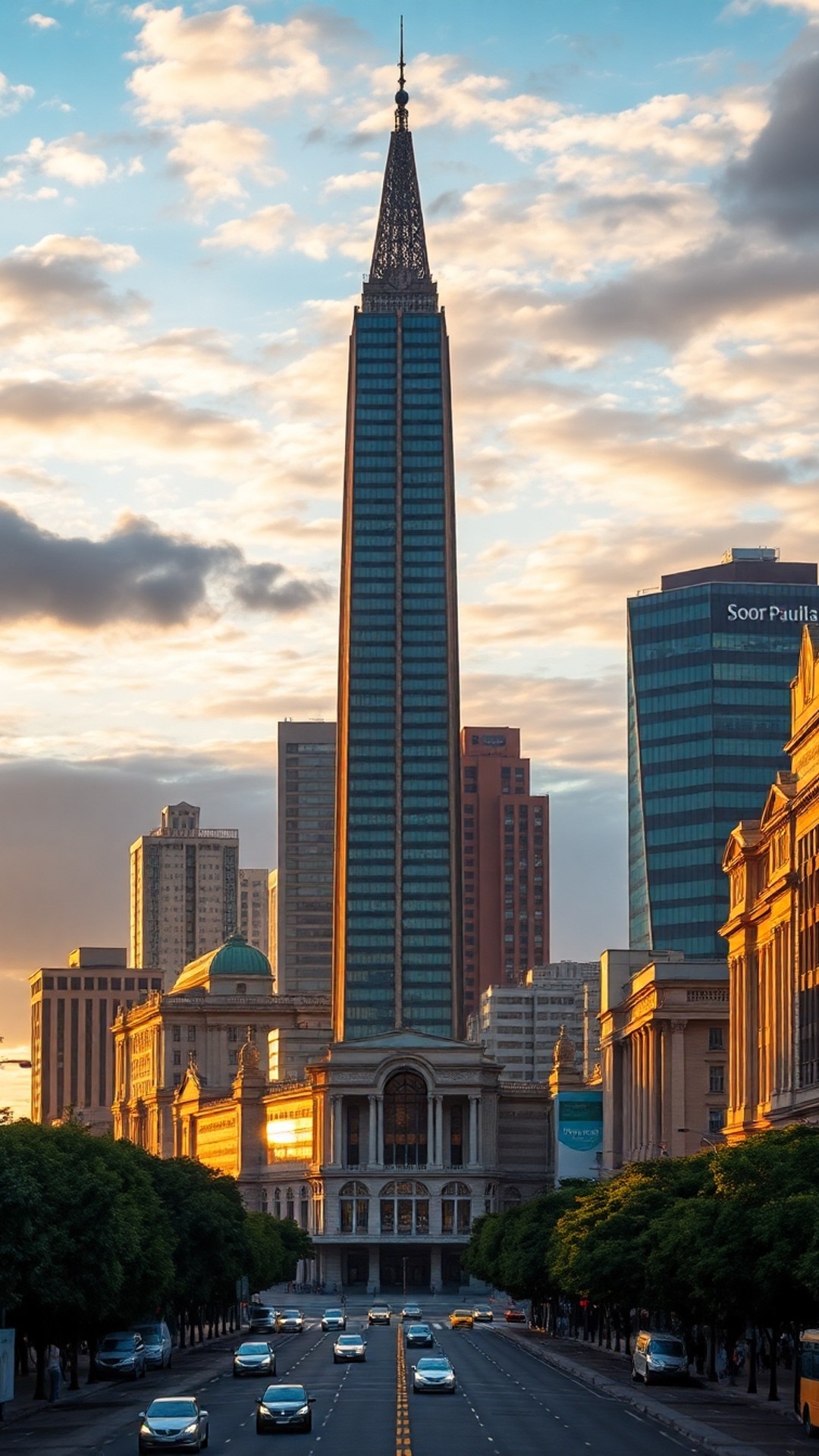
Vibrant megacity of culture and contrasts — São Paulo is Brazil’s dynamic financial and cultural powerhouse, where cutting-edge art, world-class cuisine, and diverse neighborhoods converge. Visitors come for the museums, food scene, and the city's energetic street life that reflects immigrant roots and Brazilian creativity.
A cinematic tour of the top sights, food and local tips. Get your own AI voice guide and a trip planned just for you in the Tripmi app.
The city's financial heart with cultural spots like MASP, plenty of cafes, and lively Sunday pedestrianization.
Renowned for its suspended concrete structure and a world-class European and Brazilian art collection.
An expansive urban park with museums, jogging paths, lakes, and outdoor events—São Paulo’s Central Park equivalent.
One of Brazil’s oldest art museums with a strong collection of 19th–20th century Brazilian art next to Luz Station.
Historic market famous for mortadella sandwiches, fresh fruits, and regional Brazilian ingredients.
Tokyo-inspired neighborhood known for its Japanese-Brazilian shops, weekend street market and oriental cuisine.
Open-air gallery in Vila Madalena covered in vibrant street art and graffiti—great for photos and art walks.
Contemporary art center hosting exhibitions of architecture, design and modern art in a striking building.
Lavish early-20th-century opera house with guided tours and regular ballet and classical music performances.
South America's busiest shopping street for bargains, fabrics, accessories and party supplies.
Bohemian neighborhood with bars, live music, and café culture—great for an evening out and art galleries.
Interactive museum inside Pacaembu Stadium exploring Brazil’s football history and cultural impact.
Iconic curved modernist residential block by Oscar Niemeyer with great street-level cafés and views.
Cultural center offering performances, exhibitions, a library and rooftop views—free and low-cost programming.
Historic center dominated by the neo-Gothic Catedral da Sé and a bustling plaza ideal for exploring downtown.
Experience live Brazilian music in a local bar or cultural venue to feel the city’s rhythms.
Explore Vila Madalena and Beco do Batman to learn about graffiti artists and urban art culture.
Taste coxinha, pastéis and tropical fruits at Mercado Municipal and neighborhood feiras.
Browse antiques, crafts and food at feiras like Benedito Calixto or the Feira de Artes da Praça da República.
Many museums offer free or reduced admission on specific days—plan visits accordingly.
Combine the city with a quick escape to São Roque wineries or the beaches of Guarujá and Santos.
Upscale area with high-end restaurants, boutiques and safe streets—ideal for luxury stays and dining.
Bohemian neighborhood perfect for nightlife, galleries and street art lovers.
Historic downtown close to major landmarks and public transport, good for short stays and sightseeing.
Unique cultural district with Japanese-Brazilian heritage, markets and affordable hotels.
Hearty black bean and pork stew traditionally served on Saturdays with rice and orange.
Deep-fried dough filled with shredded chicken—an indispensable Brazilian snack.
Cheesy cassava flour rolls, commonly eaten for breakfast or as a snack.
Oversized sandwich piled with mortadella and cheeses at the Municipal Market.
Bahian fried black-eyed pea fritter with spicy vatapá—found at Afro-Brazilian eateries and some street vendors.
Grilled meats served at rodízio steakhouses offering a meat-centric dining experience.
Mountain town (about 2.5–3 hours) known for cooler climate, European-style architecture and restaurants.
Ports and beaches reachable in 1–1.5 hours—Santos for the coffee museum and Guarujá for beach time.
Charming artisan town 40 minutes away with weekend art markets, handicrafts and colonial streets.
The street art in Vila Madalena blew me away and the cafés nearby served the best pão de queijo I've had outside a bakery — great for wandering an afternoon.
Fantastic nightlife and incredibly friendly people; a late samba evening in a small bar felt like stepping into the city's heartbeat.
Amazing food scene — tried a phenomenal feijoada and a modern tasting menu in Jardins, though traffic made getting between neighborhoods slow.
I loved the mix of modern skyscrapers and green spaces; I spent a calm morning at Ibirapuera Park before exploring Museu de Arte de São Paulo.
Great value for food and culture — I ate at a tiny grill in Bixiga for a fraction of European prices and caught an impromptu street performance.
Point your camera at a sight and instantly learn its story — with Tripmi's Landmark Guide.