Tripmi★★★★★ Use it free online · Web & iOS
Open
Sunlit markets, Atlantic breezes, vibrant beats — Accra blends West African history, colorful street life, and a growing food and arts scene along the Atlantic coast. It’s a compact capital where colonial architecture, busy markets, and buzzy nightlife meet relaxing beaches and friendly neighborhoods.
A cinematic tour of the top sights, food and local tips. Get your own AI voice guide and a trip planned just for you in the Tripmi app.
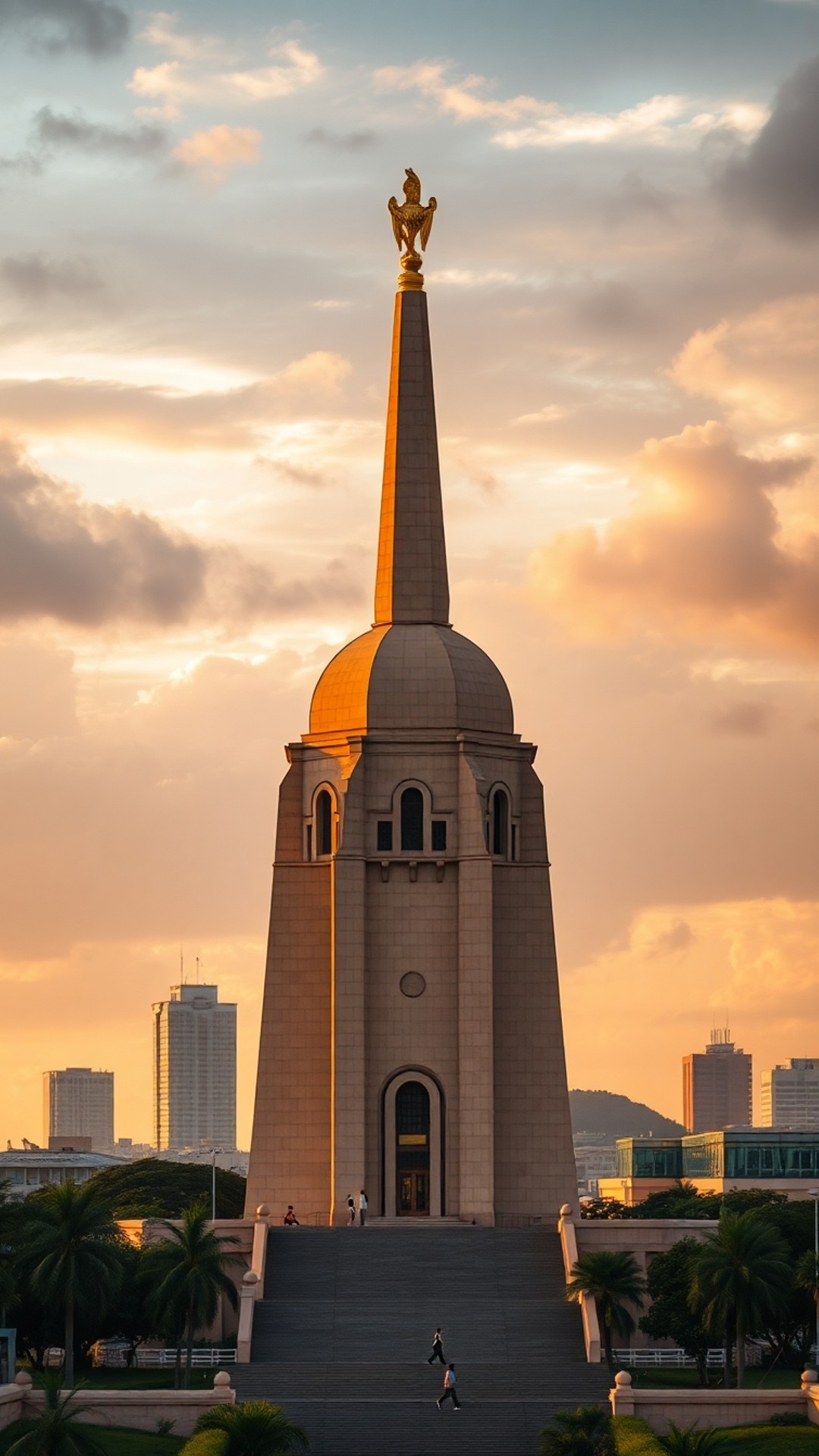
A landscaped park and modernist mausoleum honoring Ghana’s first president with exhibits on independence and pan-African history.
Historic coastal quarter with colonial lighthouses, colorful fishermen’s houses, and famous street-art stairways used during Chale Wote Festival.
Chaotic, vibrant central market where you can buy textiles, produce, electronics, and experience everyday Accra commerce.
Accra’s liveliest public beach with horse rides, drumming, and evening food stalls—popular with locals and tourists alike.
Museum and research center dedicated to the African-American scholar W.E.B. Du Bois, including his preserved study and archives.
Displays covering archaeology, ethnography, and colonial history, including Akan gold weights and traditional artifacts.
Bustling commercial strip in the Osu neighborhood full of boutiques, eateries, bars, and nightlife options.
Popular spot for a sunset drink with panoramic views of the Gulf of Guinea and the Accra coastline.
Extensive private collection of contemporary Ghanaian and West African art and crafts, good for textiles and sculpture.
Landmark venue hosting concerts, plays, and cultural performances—check listings for live shows during your stay.
Historic fort on the waterfront with connections to colonial governance and the trans-Atlantic trade; recent renovations and restricted access may apply so check ahead.
Large craft market ideal for buying kente cloth, beads, wood carvings, and haggling for souvenirs.
Rooftop bar offering upscale cocktails, city views, and a polished night out in Accra North.
Historic, well-kept gardens just outside Accra famed for giant trees, shaded paths, and picnic spots (easy half-day trip).
Rotating food market and popup events showcasing Ghanaian street food, fusion cuisine, and local chefs.
Taste waakye, kelewele, grilled tilapia, and chichinga with a local guide to find the safest, most authentic vendors.
Join a walking tour to see colonial architecture, the lighthouse, and vibrant murals while learning local stories.
Catch performances at concert venues or open-air events to experience Ghanaian music and dance culture.
Haggle at Makola or the Arts Centre for kente, batik, beads, and hand-carved souvenirs.
Spend time at the Kwame Nkrumah Mausoleum and the National Museum to understand Ghana’s history.
Relax with beachfront music, local food vendors, and lively evening scenes along the Atlantic shore.
Energetic, walkable area with restaurants, bars, and shopping—good for nightlife and central access.
Quieter residential neighborhood with boutique hotels, embassies, and leafy streets—popular with expats.
Upscale district offering secure hotels, international restaurants, and easy access to business areas.
Historic, artsy quarter ideal for culturally immersive stays and street photography.
Rice and beans cooked with millet leaf, served with sides like gari, spaghetti, boiled egg, and stew—a hearty street staple.
Fermented corn-and-cassava dough served with spicy grilled tilapia and pepper sauce (shito) along the coast.
West African one-pot tomato-and-spice rice, often served with chicken or fish and beloved across Ghana.
Spicy fried plantain cubes seasoned with ginger and chilies—perfect as a snack or side.
Peppery bean stew cooked in palm oil, often paired with fried plantain for a filling vegetarian option.
Grilled skewers of spiced meat sold by roadside vendors—great for late-night bites.
Two-hour drive west to a UNESCO site where guided tours explain the history of the trans-Atlantic slave trade.
Short drive into the hills for shaded gardens, colonial-era trees, and cooler air—great for picnics and photos.
Wildlife reserve northeast of Accra with short hikes, rock formations, and chance to see antelope and baboons.
The street food at Makola Market was unforgettable — fresh kelewele and jollof with bold flavors — and the vendors were happy to chat and point me to nearby spots.
Accra's beach vibe at Labadi is relaxed and lively at the same time; live drumming, horse rides, and friendly locals made it one of my favorite afternoons.
I loved exploring Jamestown — the colonial architecture and rooftop views are photogenic, and local guides shared fascinating history I hadn't known.
Colorful street art and the warmth of people stood out, though traffic can be frustrating; still, great value for food, markets, and culture.
Friendly locals, affordable eats, and the lively nightlife around Osu made my short stay feel full and welcoming — would recommend for a vibrant city break.
Chat by voice, text or photo for local tips, food and directions — 24/7 in the Tripmi app.