Tripmi★★★★★ Use it free online · Web & iOS
Open
Ancient wonders and vibrant Nile life — Cairo crackles with history, from the pyramids of Giza to bustling street life along the Nile, offering a potent mix of ancient monuments and contemporary Egyptian culture. It's a city for explorers who relish chaotic bazaars, world-class museums, and memorable food under wide desert skies.
A cinematic tour of the top sights, food and local tips. Get your own AI voice guide and a trip planned just for you in the Tripmi app.
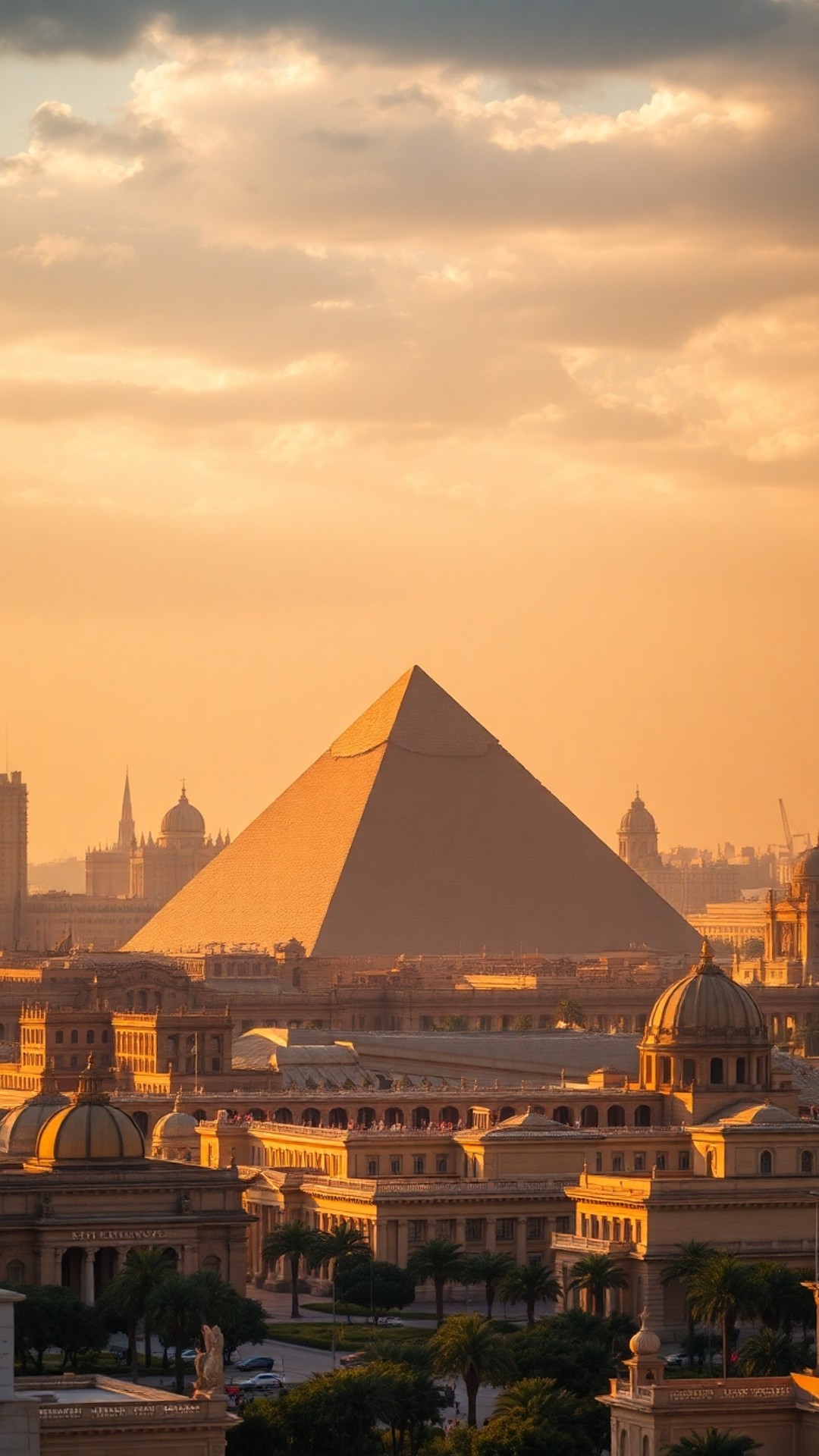
The iconic ancient pyramids and the Sphinx on Giza Plateau offer guided tours, camel rides, and panoramic photo opportunities at sunrise or sunset.
Home to thousands of ancient artifacts including Tutankhamun's treasures, the museum is a must-see while renovation works transfer new galleries to the Grand Egyptian Museum.
A centuries-old bazaar in Islamic Cairo selling brassware, textiles, spices and souvenirs amid narrow alleys and traditional coffeehouses.
An area of ancient churches and synagogues including the Hanging Church and the Ben Ezra Synagogue, reflecting Egypt's Christian and Jewish heritage.
A historic center of Islamic learning with impressive medieval architecture, bustling streets and nearby historic gates like Bab Zuweila.
The new state-of-the-art museum near Giza displays monumental pharaonic artifacts and will house the full Tutankhamun collection.
A 187-meter concrete tower on Gezira Island offering 360-degree views of the Nile, downtown Cairo and the pyramids on clear days.
Evening felucca or dinner cruises combine traditional music, food and skyline views along the Nile in a relaxed setting.
One of the oldest streets in Cairo lined with restored medieval architecture, mosques, madrassas and artisan workshops.
Houses one of the world's most important collections of Islamic decorative arts spanning centuries and regions.
A landscaped green space with fountains and panoramic views of the historic city, popular for evening strolls and picnics.
A short drive outside central Cairo, Saqqara's step pyramid complex is older than Giza and offers quieter, atmospheric exploration.
Traditional sailboat trips at sunset are relaxing and give a different perspective on Cairo's riverfront life.
An island neighborhood with leafy streets, upscale restaurants, galleries and boutique shops—good for dining and nightlife.
A hilltop medieval fortress with sweeping views of Cairo and the striking Ottoman-style Mohamed Ali mosque.
Evening sound-and-light shows at Giza narrate pharaonic history with illuminated views of the monuments.
Sail the calm river on a traditional boat to see the city skyline and unwind after a day of sightseeing.
Haggle for spices, jewelry and souvenirs while sampling street snacks and sipping mint tea in a coffeehouse.
Learn the city's medieval history while visiting mosques, schools, and historic streets with an expert guide.
Discover Egypt's Christian heritage through icons, manuscripts and ancient church architecture in Coptic Cairo.
Taste koshari, ful, falafel and other street foods while learning about local culinary traditions.
Leafy island with upscale hotels, galleries and relaxed dining—good for quieter nights and central location.
Historic core with colonial-era buildings, budget hotels, theaters and easy access to museums and Tahrir Square.
Best for sightseeing proximity to mosques, medieval streets and religious sites; smaller guesthouses offer immersive experiences.
An elegant, quieter residential neighborhood with early 20th-century architecture, cafes and convenient airport access.
Egypt's national street food: rice, lentils, pasta, chickpeas and spicy tomato sauce topped with crispy onions.
Slow-cooked fava beans seasoned with lemon, olive oil and garlic, commonly eaten for breakfast.
A fritter made from crushed fava beans and herbs, crisp outside and flavorful inside.
A leafy green stew often served with rice or bread and chicken or rabbit, with a distinctive mucilaginous texture.
Layered rice, bread and meat (usually lamb) often served during celebrations and feasts.
Popular Middle Eastern desserts: semolina cake soaked in syrup (basbousa) and shredded pastry with sweet cheese (konafa).
A 2.5–3 hour drive to the Mediterranean city with the Bibliotheca Alexandrina, Qaitbay Citadel and coastal cafés.
South of Giza, visit the Bent Pyramid and Red Pyramid for less-crowded pyramid experiences and photography.
Natural lakes, waterfalls, and the UNESCO fossil site of Wadi al-Hitan offer a mix of nature and paleontology about 2–3 hours away.
I loved wandering the Khan el-Khalili market and trying fresh falafel from a tiny stall — the bargaining was fun and the spice smells are unforgettable.
The Egyptian Museum blew me away; seeing Tutankhamun's artifacts in person made the whole trip worth it, and the guide I hired was excellent.
Cairo's cafe culture is delightful — I spent afternoons drinking mint tea by the Nile and people-watching, which felt both lively and relaxed.
Seeing the pyramids at Giza at sunrise was surreal; the drivers and local guides were friendly and helped make logistics easy and stress-free.
Great food and incredible history, though traffic can be chaotic; still, I loved the street food and warm hospitality from locals.
Chat by voice, text or photo for local tips, food and directions — 24/7 in the Tripmi app.