Tripmi★★★★★ Use it free online · Web & iOS
Open
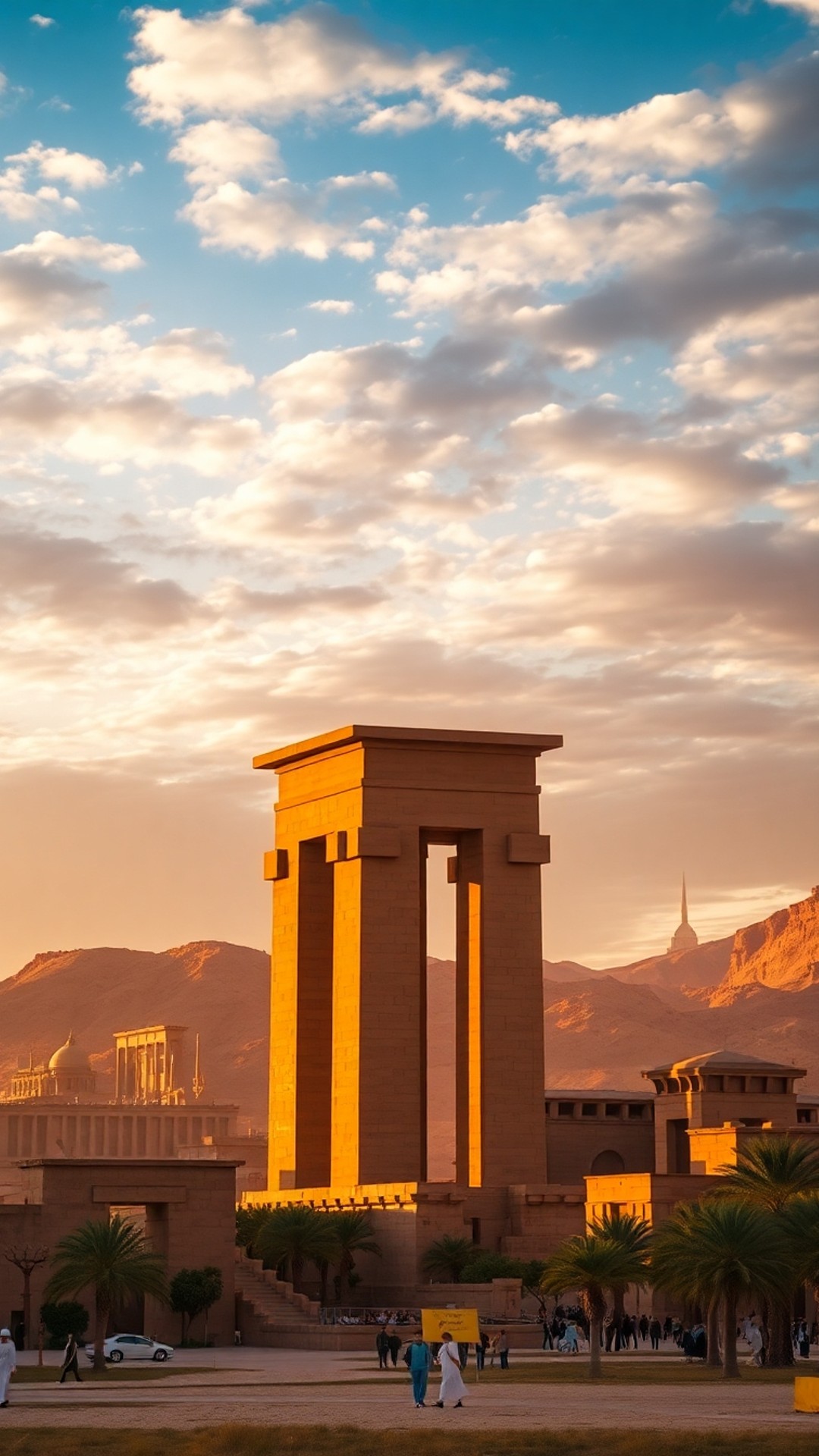
Ancient wonders along the Nile's golden banks — Luxor is the world's greatest open-air museum, where Pharaonic temples, tombs and colossal statues sit along the Nile. Visitors come for unforgettable antiquities, spectacular sunrise/sunset views and a deep dive into ancient Egyptian civilization.
A cinematic tour of the top sights, food and local tips. Get your own AI voice guide and a trip planned just for you in the Tripmi app.
The vast precincts of Karnak include the Hypostyle Hall with 134 towering columns and are the religious heart of ancient Thebes; allow several hours and consider an evening sound-and-light show.
Royal burial ground on the Nile's west bank housing richly decorated tombs including Tutankhamun's tomb; purchase the separate ticket for King Tut's burial chamber and photography restrictions apply.
Striking terraced mortuary temple built into limestone cliffs, dedicated to Egypt’s rare female pharaoh and offering dramatic photo opportunities in the morning light.
Centrally located on the east bank, this compact temple complex is atmospheric at dusk when lit up and connected historically to Karnak by the Avenue of Sphinxes.
Smaller and quieter than the Valley of the Kings, the site contains the beautifully painted tomb of Nefertari (special ticket) and other royal consorts.
A small museum showcasing mummies, embalming tools and explanatory displays that illuminate ancient Egyptian funerary practices.
Well-curated collection of artifacts found locally, including statues and items from nearby tombs, presented with clear labels and climate-controlled galleries.
Two giant seated statues of Amenhotep III that mark the entrance to his mortuary temple—an iconic spot for photos at sunrise.
Archaeological remains of the village and tombs of the artisans who built the royal tombs, offering insight into daily life in pharaonic times.
Restored ceremonial road that once linked Karnak and Luxor Temples, lined with sphinx statues and ideal for a historical stroll.
Traditional sailboat trips at sunset or sunrise provide relaxing views of river life, temples and lush west-bank farmland.
Bustling market near Luxor Temple selling spices, textiles, alabaster, souvenirs and offering a slice of local daily life with bargaining expected.
Riverside cafés where locals gather for tea or shisha and visitors can watch Nile life and the sunset over the east bank.
Popular local spot known for generous portions of traditional Egyptian dishes like koshari and grilled meats at reasonable prices near the corniche.
Early-morning balloons lift off over the west bank, offering spectacular aerial views of the Valley of the Kings, temples and the Nile (seasonal and weather-dependent).
Arrive early to see the light on the cliffs and avoid crowds while touring tombs.
Stroll between Karnak and Luxor Temples to appreciate the scale and history of the processional route.
Relax on the Nile with cooling breezes and views of both riverbanks as the sun sets.
A certified Egyptologist guide will enrich visits to temples and tombs with historical context and practical tips.
Bargain for spices, alabaster carvings and textiles while sampling street foods like falafel and sugared hibiscus.
See the temple complex come alive at night with narration and lighting that recount the site’s history.
Best for first-time visitors—central, lively riverside area with hotels, restaurants and easy access to Luxor Temple and the souq.
Quieter, rural-feeling area ideal for early starts to tomb visits and proximity to major archaeological sites.
Modern residential and commercial district with supermarkets and more budget accommodation options away from heavy tourist traffic.
Local neighborhood with authentic markets and small eateries, useful for experiencing everyday Egyptian life.
Egypt’s national comfort food of rice, lentils, pasta, chickpeas and a spicy tomato sauce topped with fried onions.
Slow-cooked fava beans often eaten for breakfast with olive oil, lemon and bread.
Green falafel made from fava beans and herbs, crisp outside and commonly served in bread with salad.
Charcoal-grilled meats served with rice or bread—widely available at local restaurants.
Sweet desserts—konafa uses shredded pastry and cheese, basbousa is a semolina cake soaked in syrup.
Fresh-pressed, energizing juice frequently sold from street vendors near markets and the corniche.
Well-preserved temple about 1.5–2 hours north of Luxor, famous for its astronomical ceiling and reliefs of Hathor.
Roughly 2–3 hours away, Abydos is an important cult site with detailed reliefs and the Osireion.
Short trip south along the Nile to see the well-preserved hypostyle hall and lively riverside markets.
Woke up early to beat the heat at Karnak and spent the golden hour wandering the columns — the silence and light were unforgettable, plus street vendors nearby had great, cheap falafel.
Tried a felucca ride on the Nile at sunset and then relaxed in a tiny café with mint tea; the views of Luxor Temple lit at night felt almost magical and very romantic.
The Valley of the Kings is a must-see and the guides are knowledgeable, but some entry queues got long; still worth it for the tombs and painted chambers.
Loved the bustling open-air markets and friendly shopkeepers who happily explained local crafts — picked up a beautiful handwoven shawl for a great price.
The local food was a highlight — hearty stews and fresh dates in small family-run restaurants felt authentic and very good value after long days of sightseeing.
Tell Tripmi where you're going and get a complete, personalized day-by-day itinerary — free on iPhone.