Tripmi★★★★★ Use it free online · Web & iOS
Open
Namibia's gateway, blending history and nature. — Windhoek, Namibia's capital, sits at the heart of the country, offering a unique blend of colonial history and modern African vibrancy. It's a compact city that serves as the perfect starting point for exploring the vast landscapes of Namibia.
A cinematic tour of the top sights, food and local tips. Get your own AI voice guide and a trip planned just for you in the Tripmi app.
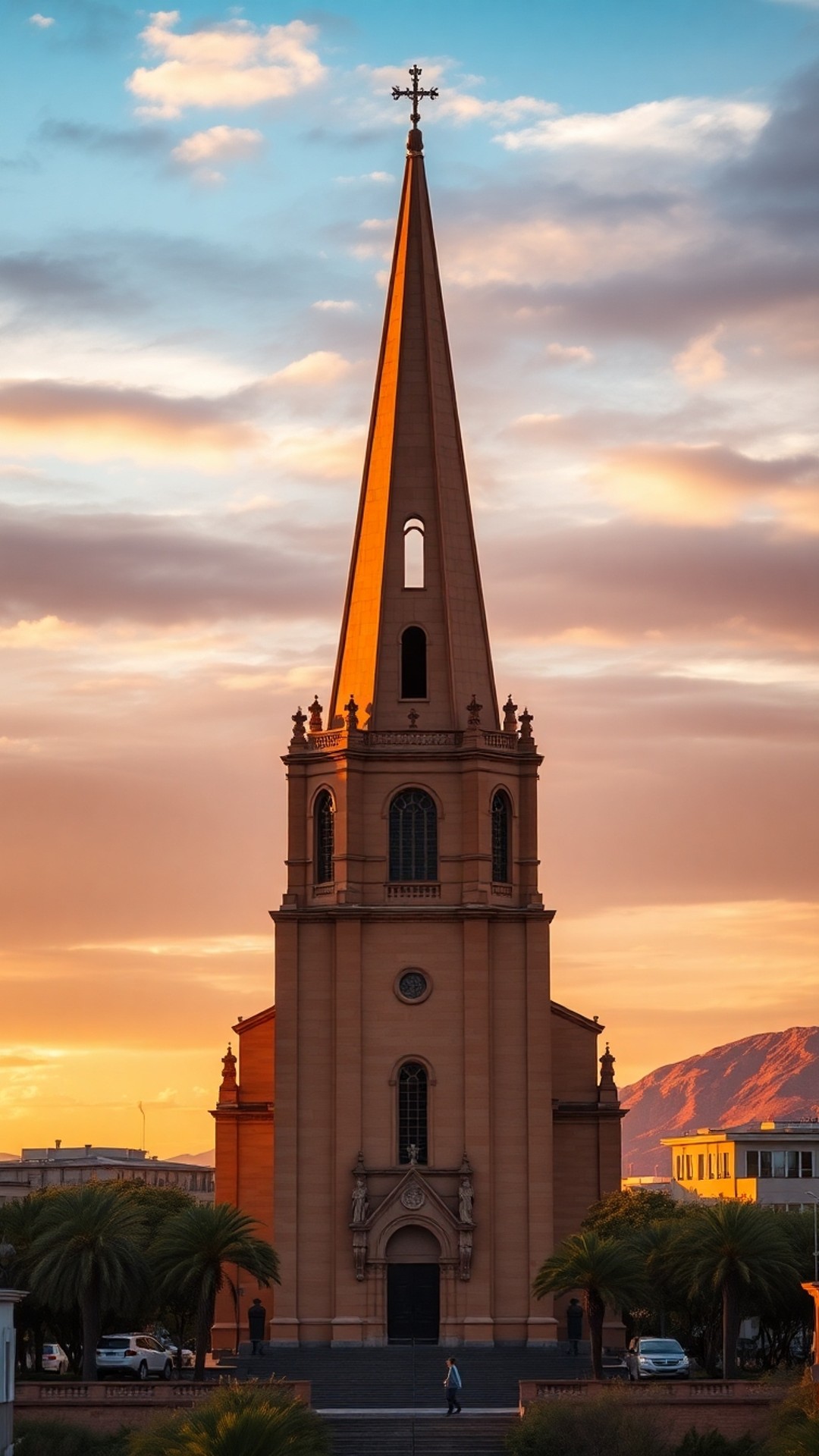
This iconic Lutheran church, built in 1908, is a prominent symbol of Windhoek with its distinctive German Art Nouveau architecture.
Explore Namibia's natural and cultural history, from prehistoric times to modern independence, within the historic Tintenpalast building.
A quirky and popular spot with a diverse menu, eclectic decor, and a lively atmosphere, perfect for experiencing local and international dishes.
A pleasant green space in the city center, offering a tranquil escape with well-maintained lawns and flowerbeds.
Commemorates Namibia's struggle for independence with insightful exhibits and a panoramic viewpoint from its upper levels.
Browse a wide selection of authentic Namibian crafts, art, and souvenirs from local artisans, with a popular cafe on-site.
Discover vibrant murals and street art scattered throughout the city, reflecting local culture and social commentary.
The oldest surviving building in Windhoek, this former colonial fort now houses part of the National Museum.
A cozy cafe known for its excellent coffee, delicious pastries, and relaxed ambiance, popular with locals and expats.
Discover a diverse collection of indigenous Namibian plants and enjoy a peaceful walk through this well-maintained garden.
A dynamic venue hosting live music, theatre performances, and cultural events, offering a glimpse into Windhoek's artistic scene.
Located within the Namibia Craft Centre, this cafe offers light meals and refreshments in a charming courtyard setting.
A collection of ancient meteorites displayed in front of the Old Power Station, showcasing a unique geological phenomenon.
Several points offer elevated views of the city, particularly from higher floors of buildings or nearby hills, showcasing the urban sprawl.
A prominent statue of the Kudu, Namibia's national animal, located in the city center, a popular photo spot.
Visit the historic buildings of the Parliament of Namibia, often with guided tours available.
Wander through markets like the Namibia Craft Centre to find unique souvenirs and interact with local artisans.
Experience Windhoek's evening buzz at bars and clubs, such as Joe's Beerhouse or Warehouse Theatre.
Gain insights into Windhoek's history and culture with a knowledgeable local guide.
Sip on coffee and people-watch at one of Windhoek's many charming cafes.
Get a different perspective of Windhoek by taking a short hike to a viewpoint.
Ideal for first-time visitors, offering easy access to most attractions, restaurants, and amenities.
A more affluent and residential area, known for its quiet streets and good restaurants.
A leafy, established suburb offering a more local feel, suitable for those seeking a quieter stay.
A mix of residential and commercial properties, offering a good range of accommodation and local amenities.
A lean and flavorful game meat often served as a steak, a Namibian delicacy.
Thinly sliced raw Kudu meat, often seasoned with lemon, capers, and olive oil.
A traditional stew cooked slowly in a cast-iron pot over an open fire, usually with meat and vegetables.
Dried, cured meat, similar to jerky, a popular snack throughout Namibia.
A South African barbecue, a social event featuring grilled meats, a common culinary experience.
A maize porridge, a staple carbohydrate often served with stews and meats.
Visit this bustling market, about 45 minutes north of Windhoek, to find intricate wood carvings and souvenirs.
While a long day trip (approx. 5-6 hours each way), it's possible to see the iconic red dunes, though an overnight stay is recommended.
Adjacent to Sossusvlei, this dried-up clay pan with ancient camelthorn trees is a photographer's dream, best visited as part of a Sossusvlei trip.
Windhoek was a surprisingly vibrant city! I loved exploring the Christuskirche and the Independence Memorial Museum. The local craft market offered some unique souvenirs, and I particularly enjoyed the traditional Namibian stew, "Potjiekos," at a local restaurant.
A great base for exploring Namibia. The city itself has some interesting historical sites like the Alte Feste. While it's not a primary tourist destination, it served its purpose well for stocking up on supplies and acclimatizing before heading out into the wilderness.
Such a welcoming atmosphere in Windhoek. I felt safe and comfortable exploring on my own. The Tintenpalast gardens were a peaceful escape, and the kookskoon (curried goat) I had was absolutely delicious – a must-try!
Windhoek provided a fascinating introduction to Namibian culture. The German colonial architecture is striking. I spent a lovely afternoon wandering through the city center, and the fresh Namibian beer was a refreshing treat after a day of sightseeing.
Windhoek is more modern than I expected! I enjoyed the views from the Parliament building and found the people to be very friendly. The local bakeries had wonderful pastries, and the fresh fruit was excellent.
Two-way voice & text translation in 17 languages — speak with confidence abroad.