Tripmi★★★★★ Use it free online · Web & iOS
Open
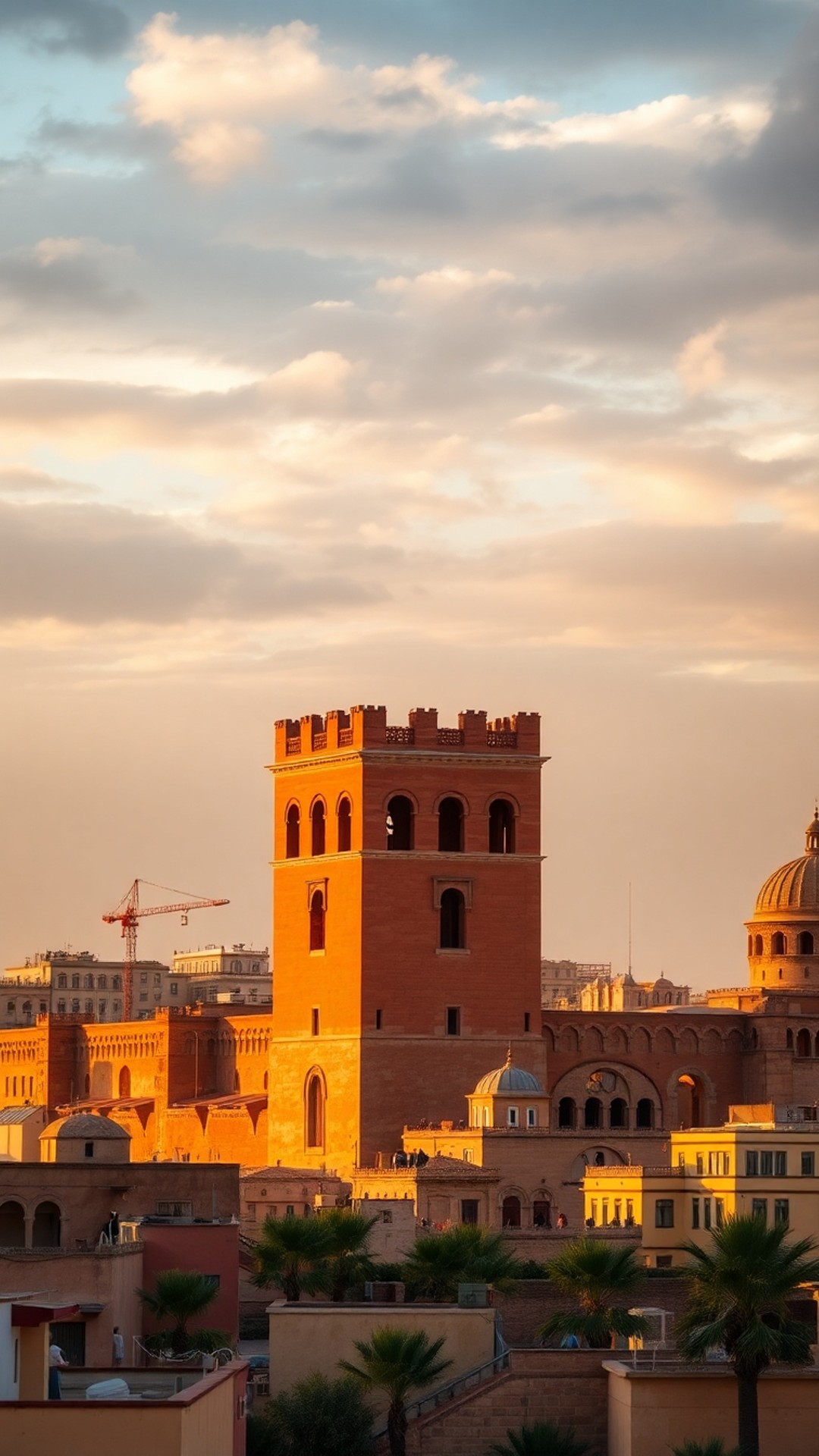
Mediterranean charm at North Africa’s edge — Tripoli blends sunlit Ottoman arches, Italianate boulevards and bustling Mediterranean life, offering an evocative mix of history and coastal relaxation. Visit for atmospheric old souks, seaside cafes on the Corniche, and gateway access to Roman ruins and Saharan adventures.
A cinematic tour of the top sights, food and local tips. Get your own AI voice guide and a trip planned just for you in the Tripmi app.
A compact maze of narrow streets with traditional shops, historic mosques and evocative local life—great for wandering and photography.
A hilltop fortress museum overlooking the harbor that displays Libyan archaeology, Ottoman artifacts and colonial-era exhibits.
The surviving Roman column in the city center marks Tripoli’s ancient history and stands near the archaeological remains of the old forum.
A palm-lined waterfront promenade ideal for sunset walks, people-watching and cafés facing the Mediterranean.
An ornate 19th-century mosque with distinctive Ottoman architecture and intricate interior decoration (observe prayer times and modest dress).
Ruins and Roman-era structures around the modern city center highlighting Tripoli’s classical past.
Collections of Qur'anic manuscripts, Islamic ceramics and historical artifacts illustrating Libya’s Islamic heritage.
Though outside Tripoli, it’s a top archaeological site with a spectacular Roman theatre on the coast—reachable by road excursion.
A lively market area where locals buy spices, textiles and everyday goods—immerse yourself in local commerce and flavors.
Streets lined with early 20th-century Italian architecture, plazas and cafés reflecting Tripoli’s colonial past.
A traditional market event where livestock is traded—an authentic glimpse of rural Libyan life (check local timing and access).
A coastal shrine and small mosque with local religious significance and a peaceful setting near the sea.
Prominent seafront hotels and meeting points offering views of the harbor and access to services for travelers.
A small public green space good for a short respite from the city heat and a taste of local leisure life.
Cluster of local eateries offering seafood and Libyan specialties popular with residents.
Enjoy sea breezes, street food and local life along the waterfront promenade.
Spend a few hours with archaeological and historical exhibits about Tripoli and Libya.
Lose yourself in narrow alleys, traditional shops and historic architecture for authentic urban atmosphere.
Visit world-class Roman ruins on the coast to see amphitheaters, columns and mosaics.
Try freshly caught Mediterranean fish prepared in Libyan styles in seaside districts.
Capture contrasts between Italian-era buildings and ornate Ottoman mosques and gates.
Best for atmosphere and history, close to markets, mosques and traditional crafts.
Offers grand boulevards, cafés and colonial architecture with easy access to seafront promenades.
Convenient for waterfront views, evening strolls and proximity to major hotels and restaurants.
Central location for transport links, shops and proximity to major landmarks and services.
A dense wheat dough dish usually served with meat stew and a spicy tomato sauce.
Hearty tomato-based or lamb soups flavored with local spices—popular as a starter.
A sweet or savory semolina or flour pudding often eaten at special occasions.
Fresh Mediterranean catches, simply grilled with lemon and local herbs.
A fragrant rice or milk pudding flavored with rosewater or orange blossom for dessert.
Round flatbreads baked fresh and used to scoop stews and salads—it accompanies most meals.
One of the Mediterranean’s most spectacular Roman sites, about 130 km east of Tripoli with large ruins and a scenic coastal setting.
Well-preserved Roman theatre and archaeological site on the coast, ideal for half- or full-day excursions.
Explore mountain villages, traditional Berber culture and cooler landscapes south of Tripoli for hiking and rural visits.
Wandering the old medina felt timeless and unexpected — the red-brick Gurgi Mosque and nearby cafes served the best mint tea I had in North Africa.
Friendly street vendors and a relaxed seaside promenade made Tripoli feel like a local discovery; fresh seafood by the Corniche was excellent and affordable.
Short ferry hop from Sicily and suddenly you’re in a city of wide boulevards, lively markets, and surprisingly good coffee — I loved the mix of Ottoman and Italian architecture.
Beautiful sunsets over the Mediterranean and warm people, though some areas felt neglected and transport can be tricky if you don’t speak Arabic.
The vibe around Martyrs' Square was vibrant with street musicians and family gatherings; I came for history and stayed for the friendly conversations and home-cooked dishes.
Chat by voice, text or photo for local tips, food and directions — 24/7 in the Tripmi app.