Tripmi★★★★★ Use it free online · Web & iOS
Open
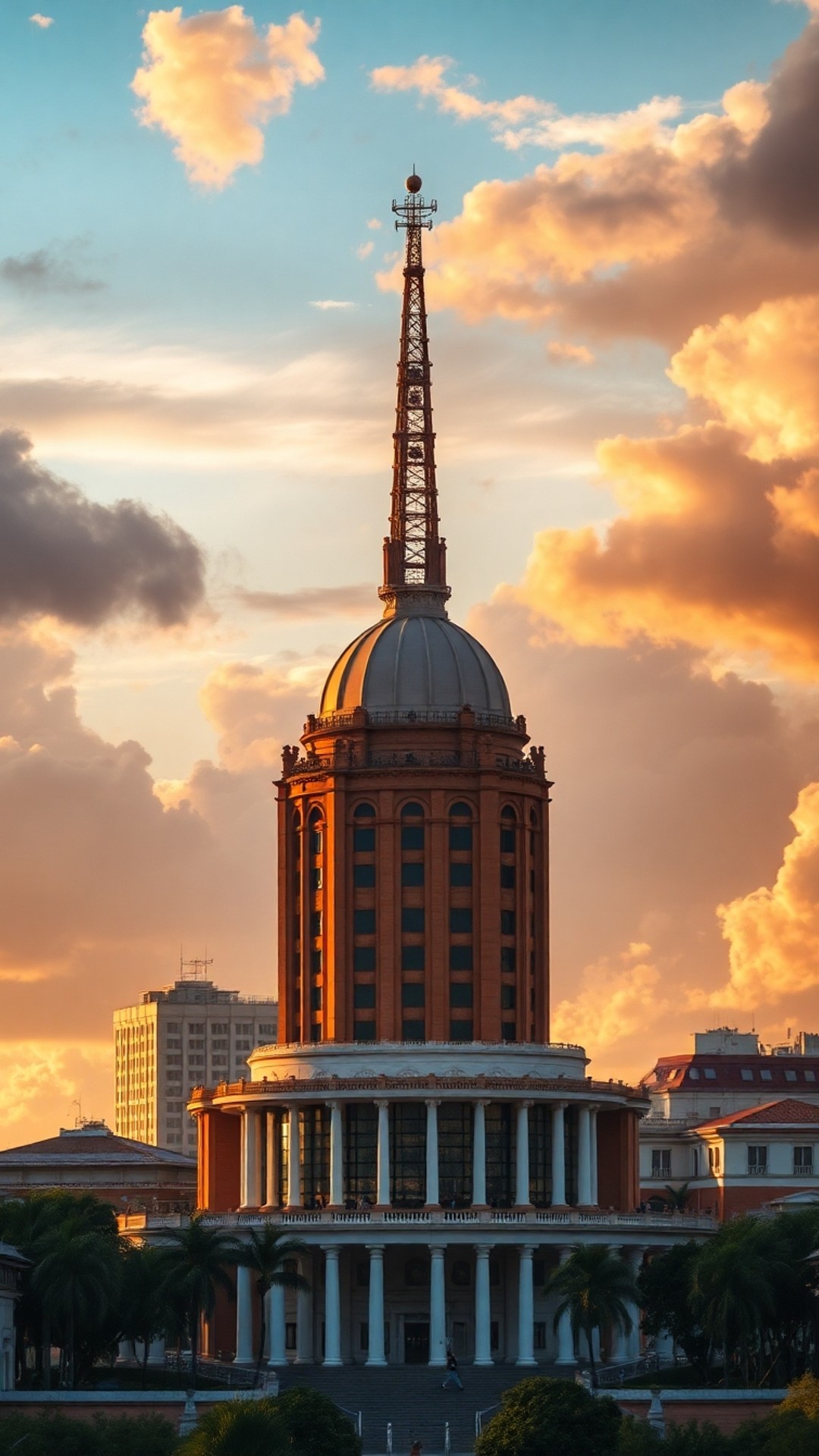
Amazon river-city of culture and wilderness — Manaus sits at the meeting of the Negro and Solimões rivers and is the gateway to the central Amazon, combining rubber-boom architecture, lively markets, and direct access to rainforest lodges. Visitors come for jungle expeditions, the magnificent Teatro Amazonas opera house, and the unique experience of witnessing the 'Meeting of Waters.'
A cinematic tour of the top sights, food and local tips. Get your own AI voice guide and a trip planned just for you in the Tripmi app.
A beautifully restored 19th-century opera house in the historic center, offering guided tours and seasonal performances that showcase Manaus's rubber-boom grandeur.
The striking confluence where the dark Rio Negro meets the sandy-colored Rio Solimões flows side by side for kilometers — best seen by boat from the Rio Negro or Solimões banks.
A Belle Époque iron-and-glass market modeled after Les Halles in Paris, selling Amazonian fruits, fish, herbs, and handicrafts.
A research forest run by the National Institute of Amazonian Research with trails, a primate rehabilitation center, and interpretive exhibits about local ecosystems.
An environmental education center with canopy walkways and exhibits about Amazon biodiversity and sustainable practices.
A popular urban river beach with promenades, bars, and sunset views over the Rio Negro, lively on weekends and holidays.
A small rainforest reserve near the city offering short trails, waterfalls, and opportunities to spot birds and small mammals.
The former governor’s mansion on the Rio Negro promenade, now a cultural center with period rooms and riverside gardens.
Exhibits on the peoples, cultures, and history of the Amazon region, including indigenous artifacts and rubber-era documents.
An urban green space with an elevated wooden walkway through várzea forest, popular for birdwatching and short hikes.
A military museum documenting jungle warfare history and survival training with informative displays (note access rules may apply).
Scenic spots along the Rio Negro promenade and near the bridge offer panoramic river and city skyline views, especially at sunset.
A local café stall style option inside the municipal market serving fresh açaí bowls, coffee, and Amazonian fruit snacks.
Bars and live-music venues near the market and riverside offer forró, samba, and regional music into the late evening.
Major riverboat expeditions and smaller lodge transfers depart from Manaus — the port is the gateway to longer Amazon itineraries.
Spend multiple nights at an Amazon lodge to experience guided walks, night safaris, and boat excursions into primary forest and flooded várzea.
Join an organized evening or dawn boat trip to fish for piranha and search for caimans along the riverbanks.
Take a half-day boat tour to see where the Negro and Solimões rivers meet and learn the science behind the phenomenon.
Sample regional fruits, buy tucumã and cupuaçu snacks, and shop for artisanal crafts and smoked fish.
Book a concert or guided tour to admire the lavish interior, frescoes, and the opera house’s storied acoustics.
Walk elevated trails at MUSA or Sumaúma Park for close-up views of canopy species and excellent birding opportunities.
Best for sightseeing and hotels within walking distance of Teatro Amazonas, Mercado Adolpho Lisboa, and colonial architecture.
Riverside area with beachfront promenades, restaurants, and nightlife, popular with families and sunset strolls.
Upscale residential and commercial district with shopping malls, restaurants, and convenient access to services and hospitals.
A more local neighborhood with affordable accommodation and access to regional markets and ferry terminals for river transport.
A hot, tangy tapioca-based soup with tucupi broth, jambu (numbing herb), and shrimp — a regional street-food staple.
Duck cooked in yellow tucupi sauce with jambu, a classic ceremonial dish of Pará and Amazonas cuisine.
A thick, chilled açaí berry bowl often topped with banana, granola, or manioc flour — served sweet or savory locally.
A hearty stew made from ground manioc leaves and assorted meats, slow-cooked and traditionally served at local festivities.
Pirarucu, one of the world’s largest freshwater fish, commonly served grilled or roasted with regional seasonings.
Creamy sweets and chocolates made from cupuaçu pulp, a tangy Amazonian fruit similar to cacao in aroma.
A short trip upriver to one of the world’s largest river archipelagos offering boat tours, wildlife, and black-water channels.
A flooded-lake reserve near Manaus with boardwalks and oxbow-lake wildlife viewing, often combined with dolphin tours.
Visit the riverside town of Novo Airão to see rescued monkeys at the local animal shelter and take boat tours into Anavilhanas.
The Amazonas Theatre is even more impressive in person — guided tour gave great history and the local fruit markets nearby were a delicious surprise.
Loved the river excursions out of Manaus; our guide pointed out pink dolphins and small riverside communities, and the jungle lunch was unforgettable.
Great value for adventure — cheap boat trips and tasty street food, though getting around by taxi felt a bit chaotic at times.
Friendly people everywhere and lively evening markets; I felt safe walking around the center after sunset and the fish dishes were exceptional.
The meeting of the waters near Manaus is a sight I won't forget — easy day trips, knowledgeable local guides, and very good manioc-based snacks.
Tell Tripmi where you're going and get a complete, personalized day-by-day itinerary — free on iPhone.