Tripmi★★★★★ Use it free online · Web & iOS
Open
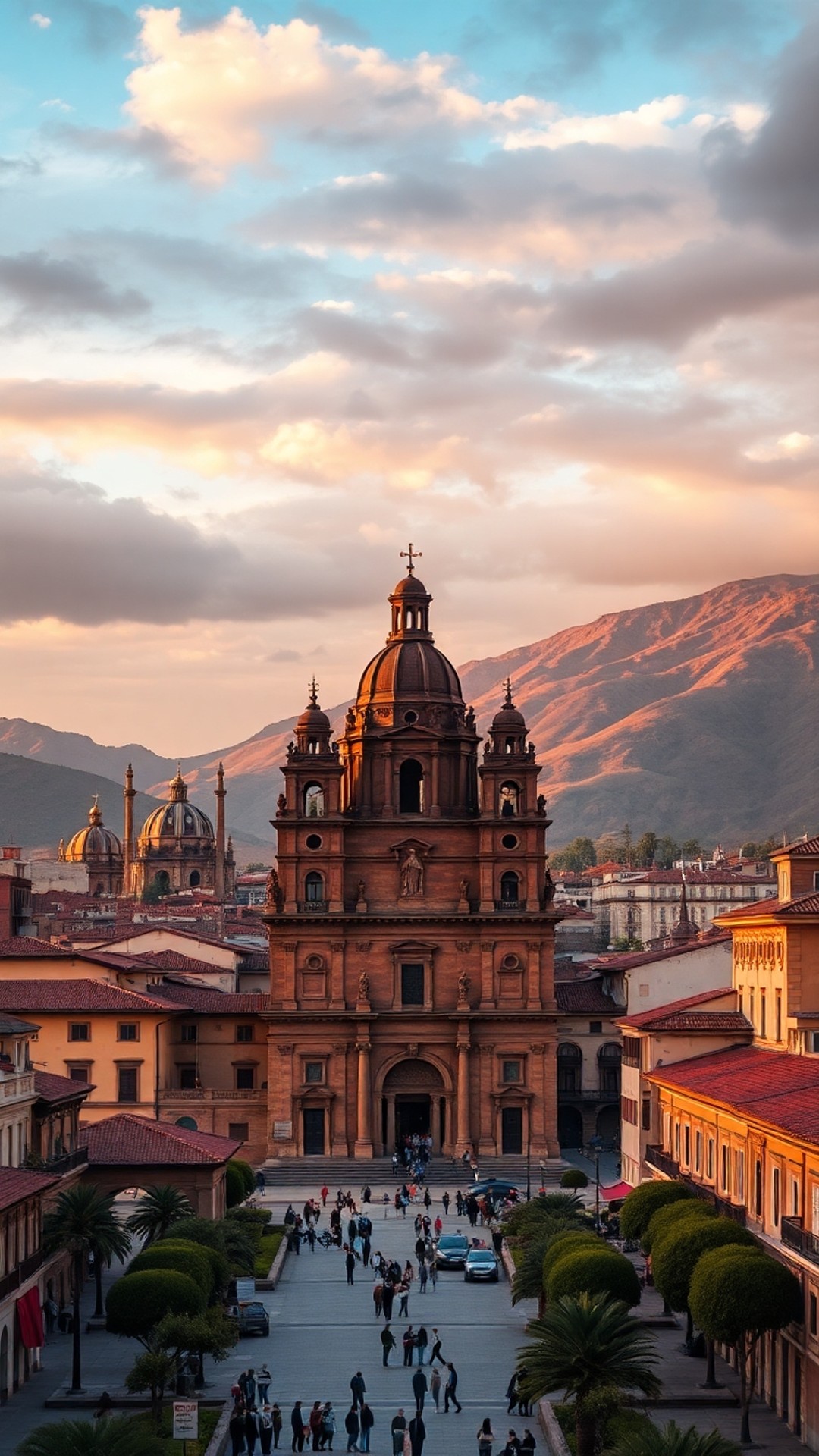
Ancient stones, Andean skies, vibrant life — Cusco is the historic capital of the Inca Empire and the gateway to Machu Picchu, offering a unique mix of pre-Columbian ruins, colonial architecture, and lively Andean culture. Visitors come for world-class archaeology, colorful markets, and trekking through dramatic mountain scenery just outside the city.
A cinematic tour of the top sights, food and local tips. Get your own AI voice guide and a trip planned just for you in the Tripmi app.
Cusco's bustling main square is surrounded by the Cathedral and colonial arcades and is the social and historical heart of the city.
Once the richest Inca temple, Qoricancha's stonework and the Spanish convent built atop it illustrate Incan engineering and colonial overlays.
This massive Inca fortress above the city features enormous, precisely cut stones and panoramic views over Cusco.
A lively local market where you can buy produce, dried herbs, traditional foods, textiles, and experience everyday Cusqueño life.
The Inka Museum has curated artifacts, textiles, ceramics, and context about pre-Columbian cultures of the region.
This 16th-century cathedral houses colonial religious art, including works from the Cusco School and an impressive altar.
A bohemian district uphill from the Plaza, known for artisan workshops, narrow streets, and views of the city.
Collections of ceramics, metals, and textiles that trace artistic traditions across Peru before Spanish contact.
The hilltop complex hosts the annual Inti Raymi festival and offers dramatic settings for cultural performances (seasonal).
A main commercial avenue with travel agencies, shops, cafes, and good access to the historic center.
A carved rock ceremonial site with channels, altars, and underground chambers used for sacred rituals.
Often called the 'Baths of the Inca,' this small site features aqueducts and fountains set against terraced hillsides.
A short drive from Cusco, these concentric agricultural terraces illustrate Inca experimentation with microclimates.
Famous for its Sunday handicraft market and impressive hilltop Inca ruins overlooking the Sacred Valley.
A colonial-era religious complex with religious art, catacombs, and a peaceful courtyard near the central plaza.
Book in advance for the classic multi-day trek that ends at Machu Picchu for sunrise over the ruins.
Visit towns like Pisac, Ollantaytambo, and local markets while taking in riverside terraces and Inca sites.
Take easy walks to Sacsayhuamán or the San Cristóbal hill to adjust to altitude before strenuous activity.
Travel to Aguas Calientes by scenic train for comfort and spectacular Andean scenery en route to Machu Picchu.
If your timing aligns, experience Inti Raymi (June) or local patron saint celebrations for music, dance, and colorful costumes.
Buy handwoven blankets, ponchos, and hats in San Blas or San Pedro Market, checking quality and ethical sourcing.
Best for first-time visitors who want immediate access to major sights, restaurants, and nightlife.
Ideal for artists and travelers who prefer boutique guesthouses, craft shops, and quieter streets.
A residential area with local markets and a more authentic neighborhood feel while still close to the center.
Home to the bus terminal and some mid-range hotels, convenient for onward travel and quieter nights.
Fresh citrus-marinated seafood—securely prepared restaurants in Cusco will serve regional variants.
Fried guinea pig, a traditional Andean dish often served at special meals and restaurants catering to tourists.
A savory stir-fry of beef, onions, tomatoes, and fries reflecting Peru's Chinese culinary influence.
Lean, tender red meat commonly offered as a higher-altitude alternative to beef.
Boiled potatoes topped with a spicy, creamy cheese sauce—classic Andean comfort food.
A sweet non-alcoholic drink made from purple corn, pineapple, and spices, perfect for cooling down.
Take a day trip by early train to Aguas Calientes and the shuttle up to Machu Picchu, or stay overnight to reduce rush.
Full-day tours typically combine Pisac market, Ollantaytambo fortress, and local weaving communities.
A high-altitude trek to vividly colored strata; go with an acclimatization buffer and a reputable operator due to altitude and weather.
Cusco's Plaza de Armas in the evening felt magical — colonial balconies lit up and a street musician I chatted with recommended an incredible local ceviche spot that still makes my mouth water.
I loved wandering the San Blas neighborhood: artisan shops, narrow cobbled streets, and a tiny café where the coffee and empanadas were the best value of my trip.
The people in Cusco were genuinely warm and patient with my broken Spanish; I felt safe exploring markets and discovered fresh alpaca soup that helped with the altitude.
Cusco's blend of Inca ruins and colonial architecture blew me away — Sacsayhuamán views at sunrise were worth the early wake-up and the local guide made the history come alive.
Fantastic food and atmosphere, though some tourist areas felt crowded; still, the museums and street markets offered great bargains and genuine local crafts.
Chat by voice, text or photo for local tips, food and directions — 24/7 in the Tripmi app.