Tripmi★★★★★ Use it free online · Web & iOS
Open
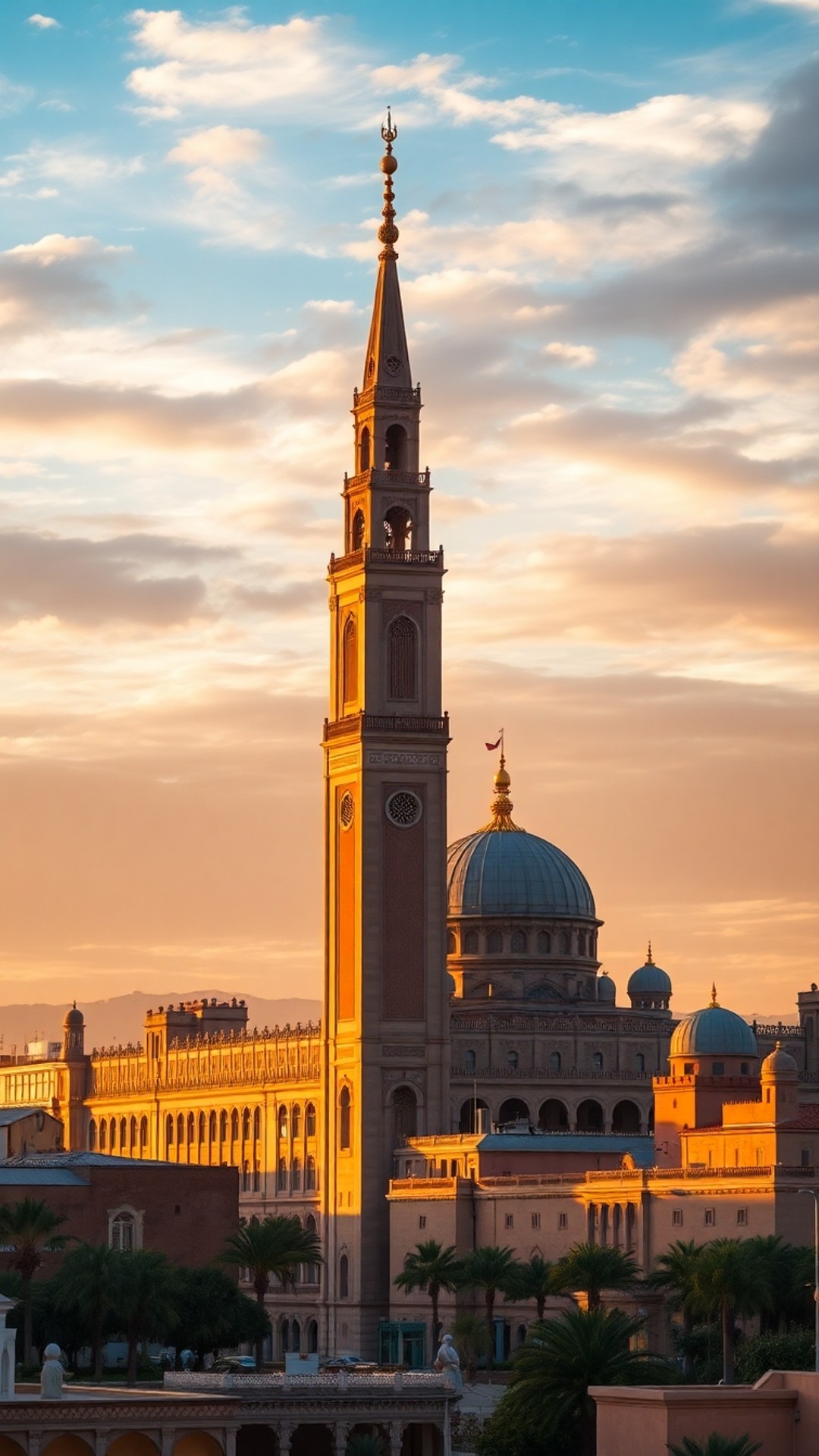
Atlantic grandeur meets Moroccan bustle — Casablanca is Morocco’s largest city and commercial heart, blending sweeping Atlantic boulevards, art-deco architecture, and modern glass towers with vibrant souks and coastal life. Visit for the iconic Hassan II Mosque, dynamic café culture, and a real-world view of contemporary Moroccan urban life beyond the tourist trail.
A cinematic tour of the top sights, food and local tips. Get your own AI voice guide and a trip planned just for you in the Tripmi app.
One of the world’s largest mosques with a spectacular oceanfront location, intricate tilework, and guided tours available for non-Muslims.
A compact, authentic medina with narrow alleys, local shops selling spices, textiles and household goods, and fewer tourists than Fez or Marrakech.
A Casablanca institution inspired by the film Casablanca, offering Moroccan and international dishes in a 1940s-style setting.
A lively Atlantic waterfront promenade of beaches, cafes, and nightclubs, popular for sunset walks and seaside dining.
Built in the 1930s, this orderly quarter blends French-Moroccan architecture with artisan shops, bookshops, and patisseries.
Stately exterior views of the palace and its well-kept boulevards — the palace itself is not open to the public.
A contemporary art museum in an art-deco villa showcasing Moroccan and international artists with rotating exhibitions.
A central green space ideal for people-watching, flanked by impressive administrative buildings and fountains.
An ornate judicial complex with striking Moorish architecture; visits possible by arrangement or guided tour.
An art-deco former cathedral near the United Nations Square, notable for its architecture though no longer used for worship.
The civic heart of Casablanca with grand colonial-era buildings, a popular starting point for walking tours.
A modern beachfront shopping and dining complex in the upscale Anfa district, with cinemas and sea views.
The country’s only Jewish museum, documenting Morocco’s Jewish heritage and cultural exchange over centuries.
A bustling local market where locals shop for fresh produce, fish, and daily necessities—great for observing everyday life.
A favorite local spot to watch the sunset with cafes and restaurants lining the seafront.
Join a guided tour to see the mosque’s handcrafted marble, zellij tilework, and the glass floor overlooking the Atlantic.
Stroll or cycle the seaside promenade, relax on urban beaches, and sample seafood at beachfront restaurants.
Browse artisan shops, pick up leather goods and traditional clothing, and stop at a bakery for fresh pastries.
See contemporary Moroccan art exhibitions and special cultural events in a striking art-deco space.
Use the modern tram to move efficiently between Maarif, Twin Center, and Ain Diab while avoiding traffic.
Sample local favorites like msemen, sardine sandwiches, and harira from cafes and market stalls.
A central, lively neighborhood with shopping, restaurants, and good tram connections—practical base for first-time visitors.
Upscale seaside area with hotels, beachfront dining, and nightlife, ideal if you want coastal walks and luxury options.
Closer to traditional markets and cultural sites; stay here for atmosphere and easy access to artisan boutiques.
Trendy district with cafes, bakeries, and a young crowd; good for dinner options and nightlife within walking distance of landmarks.
A flaky, savory-sweet pigeon or chicken pie layered with almonds and cinnamon—an iconic Moroccan specialty.
Slow-cooked stews in earthenware with combinations like lamb with prunes or chicken with preserved lemon and olives.
Steamed semolina typically served with seasonal vegetables and meat, traditionally eaten on Fridays.
A hearty tomato and lentil soup flavored with cilantro and spices, commonly eaten to break the fast during Ramadan.
Fresh Atlantic sardines simply grilled and often served in sandwiches or with lemon—Casablanca specialty.
Sweet Moroccan green tea poured from height; a ubiquitous welcome drink important to local hospitality.
Morocco’s capital (about 1 hour by train) with the Hassan Tower, Kasbah of the Udayas, and a pleasant medina to explore.
A UNESCO-listed Portuguese fortified town (about 1–1.5 hours) with a historic cistern and beaches.
Combine Azemmour’s riverside medina with Oualidia’s lagoon (famous for oysters) for a coastal escape in 1.5–2 hours.
The Hassan II Mosque is even more impressive in person—stunning craftsmanship and a peaceful waterfront setting; great coffee shops nearby for people-watching afterward.
Friendly locals helped me navigate the medina and recommended an amazing seafood tajine by the Corniche; felt vibrant and safe for solo travel.
Casablanca surprised me with its mix of art deco buildings and modern cafes—great value for meals and taxis compared to other big Moroccan cities.
Loved the laid-back coastal vibe at sunset along the Corniche; fresh seafood and sunset views made for a perfect evening.
Great architecture and lively markets, though some tourist spots felt crowded; still worth it for the food and local hospitality.
Two-way voice & text translation in 17 languages — speak with confidence abroad.