Tripmi★★★★★ Use it free online · Web & iOS
Open
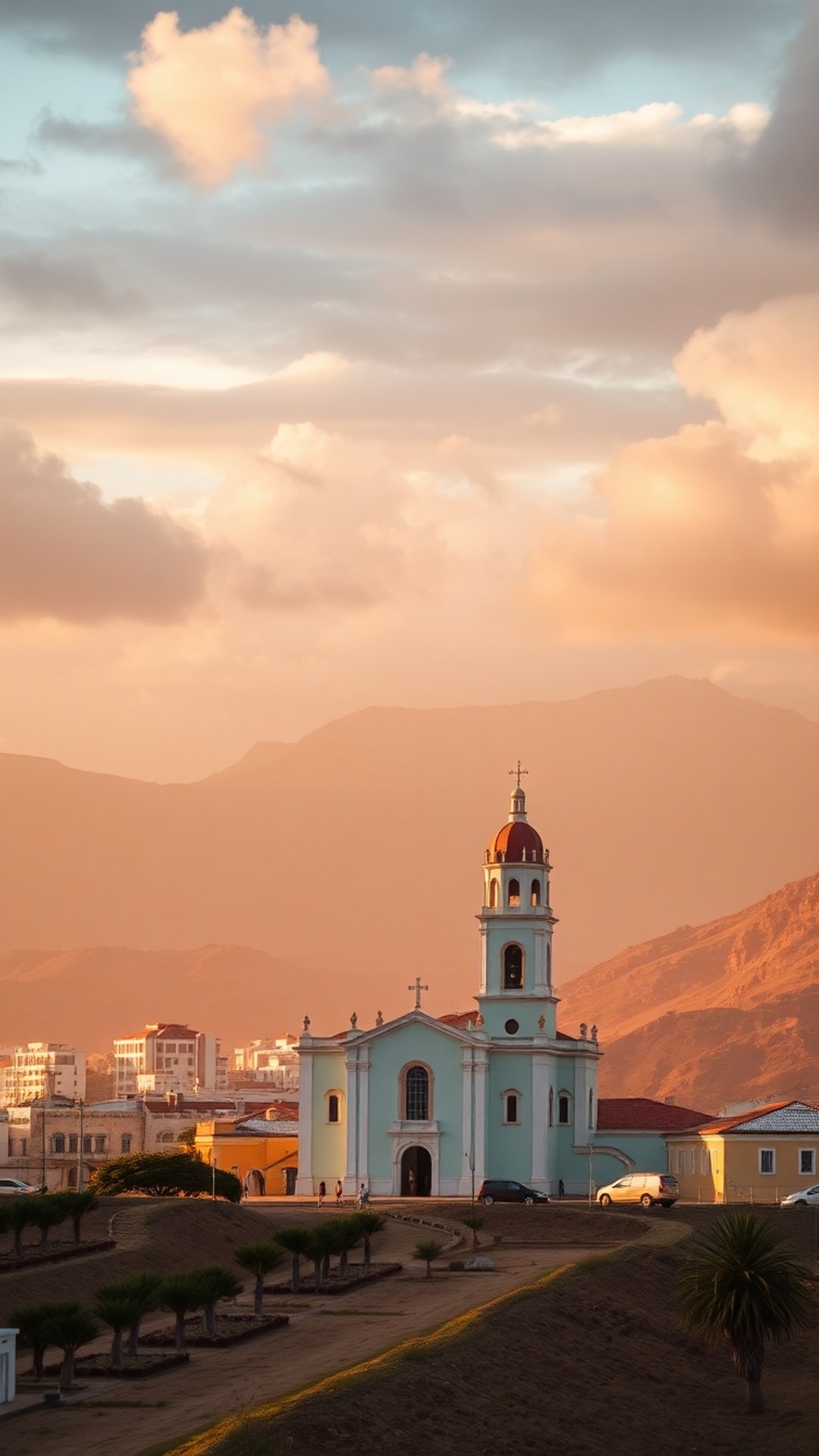
Atlantic rhythms, volcanic vistas, Creole charm — Praia, Cape Verde's lively capital on Santiago island, blends colonial architecture, bustling markets, and Atlantic beaches with a distinct Creole culture. It's a convenient base for exploring Santiago's history and taking short hops to other islands for hiking, windsurfing, or music festivals.
A cinematic tour of the top sights, food and local tips. Get your own AI voice guide and a trip planned just for you in the Tripmi app.
Historic city center on a flat plateau with colonial buildings, government palaces, and sweeping views over the bay.
18th-century church near the Plateau showcasing Baroque influences and a tranquil courtyard.
Small sandy beach below the Plateau popular for sunbathing and evening strolls with views of fishing boats.
Bustling market selling fresh produce, fish, crafts, and street food—great for absorbing local life and buying souvenirs.
Small ethnographic museum exhibiting Santiago's rural traditions, musical instruments, and daily-life artifacts.
Sandy, convenient beach close to hotels with calm waters for swimming and several beachfront cafés.
UNESCO World Heritage site a short drive away featuring a 16th-century fortress and the ruins of the colonial town.
Historic quarter with Cape Verde's oldest colonial structures, museums, and the Pelourinho (pillory) monument.
Local football stadium where matches give insight into passionate Cape Verdean sports culture.
Focused on the island's musical and cultural traditions, especially the Tabanka festival practices.
Neighborhood market offering textiles, household goods, and an authentic local shopping experience.
Coastal fortifications and scenic promenades ideal for sunset walks and photography.
Venue for concerts, exhibitions and workshops showcasing Cape Verdean music and dance.
Vibrant inland market town known for crafts and regional produce—easy to visit from Praia.
Active port area where you can see inter-island ferries, fishing activity, and book boat excursions.
Walk the UNESCO streets and visit the fortress, cathedral ruins, and museums to learn colonial history.
Seek local bars or the Feijões Cultural Center for traditional music nights and spontaneous street music.
Taste street foods, buy fresh produce and handmade crafts, and watch daily local commerce.
Enjoy accessible beaches for swimming, sunbathing, and seaside cafés.
Take a day trip north for volcanic landscapes, endemic flora, and panoramic island views.
Book a short flight or ferry to hike Fogo's volcano or relax and kite-surf on Sal's beaches.
Historic, central area ideal for first-time visitors with hotels, restaurants, and sights within walking distance.
Coastal stretch good for beach access, mid-range hotels, and evening promenades.
Residential neighborhood with quieter guesthouses and easy access to the airport and upscale eateries.
Authentic working-class area offering a glimpse of daily life and local restaurants at lower prices.
The hearty national stew of corn, beans, fish or meat—often eaten for breakfast after slow cooking.
Crispy filled pastry commonly stuffed with tuna, cheese, or meat—perfect street snack.
Strong distilled sugarcane rum from Santiago, often sipped or used in cocktails; drink responsibly.
Fresh shellfish and fish grilled or stewed in local restaurants near the harbor.
Sweet dessert or condiment found in markets and family-run eateries.
A richer, meatier variation of cachupa served at celebrations and Sunday lunches.
Short drive to Cape Verde's oldest town and UNESCO site with forts, museums, and historical tours.
Mountain reserve north of Praia offering hiking trails, endemic plants, and dramatic views.
Fly to Fogo to hike the active volcano Pico do Fogo and visit coffee-growing villages.
I loved wandering the Plateau in Praia — the colonial buildings and street art made every stroll feel like a discovery, and the fresh catch at Mercado Municipal was unforgettable.
Short flights between islands made Praia a perfect base; great value guesthouses, friendly locals, and strong café culture kept my days relaxed and full of music.
Praia has a warm, welcoming vibe and delicious cachupa, though some streets need better lighting at night; overall I enjoyed the markets and sea views.
The rooftop bars at sunset are the real highlight — excellent morna performances, cold beer, and a skyline that feels both laid-back and lively.
Friendly people, good value seafood, and a relaxed pace made Praia easy to love; I spent afternoons on local beaches and evenings sampling street food.
Point your camera at a sight and instantly learn its story — with Tripmi's Landmark Guide.