Tripmi★★★★★ Use it free online · Web & iOS
Open
Ancient temples, lively arts, warm streets — Yogyakarta (Jogja) is Indonesia’s cultural heart, mixing royal Javanese tradition, vibrant street life, and world-class UNESCO sites. It’s a compact city ideal for exploring Borobudur and Prambanan, sampling gamelan music, and hunting batik and street-food gems.
A cinematic tour of the top sights, food and local tips. Get your own AI voice guide and a trip planned just for you in the Tripmi app.
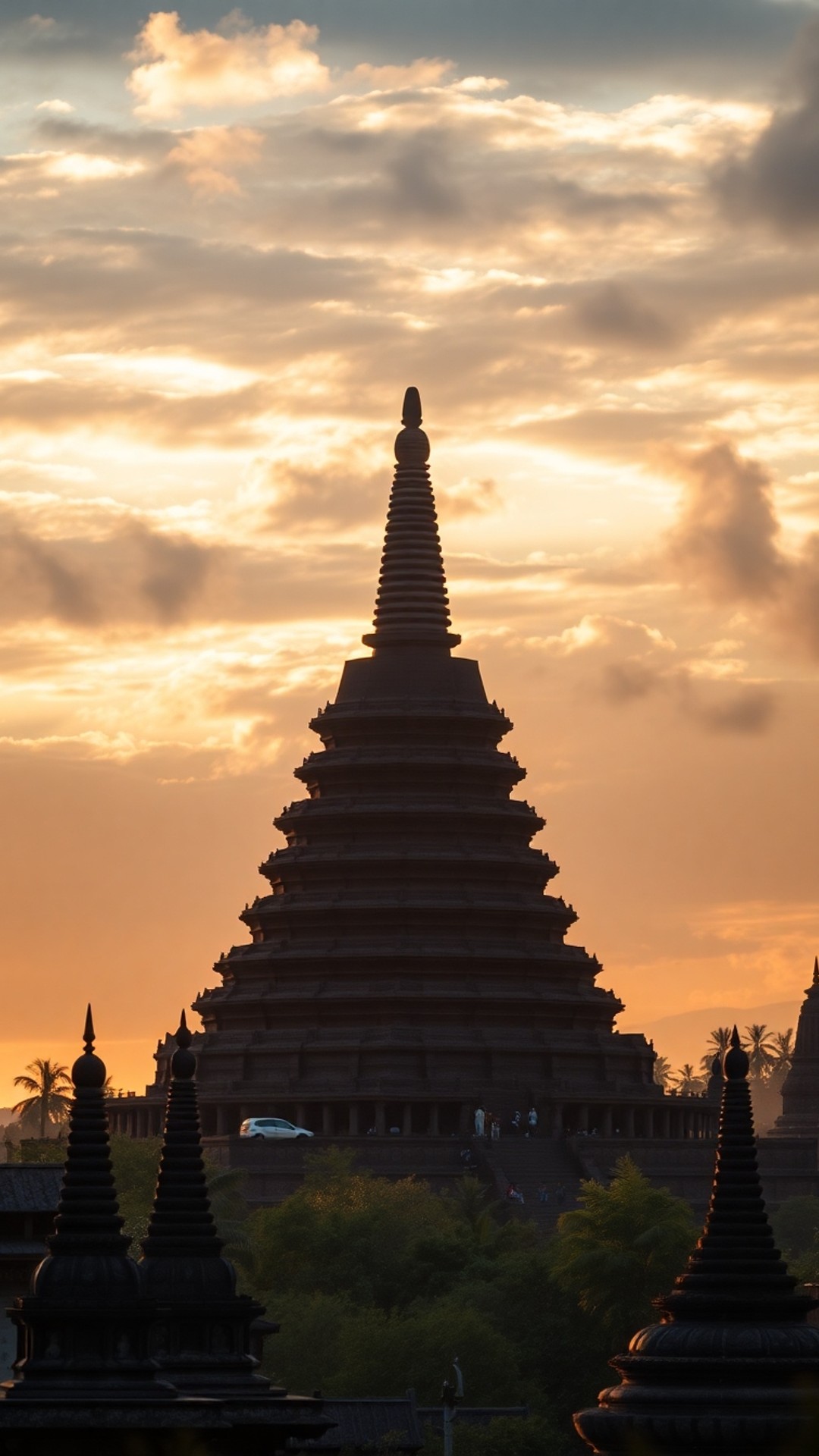
World’s largest Buddhist monument located about 40 km north, best at sunrise with views over misty plains.
9th-century Hindu temple complex east of the city, famed for tall pointed architecture and Ramayana ballet performances.
Living royal palace with a museum of Javanese artifacts, daily cultural performances, and a serene courtyard.
Former royal garden with bathing pools, underground tunnels and photogenic ruins near the Keraton.
Iconic shopping street lined with batik stalls, street food, and souvenir shops stretching from the train station.
Deep-dive museum in Kaliurang dedicated to Javanese art, culture, and the Yogyakarta royal family.
Evening hotspot for locals with food stalls, pedal-kanu boats, and the playful tradition of striped-pole walking.
Historic city monument and classic photo spot symbolizing Jogja’s spirit, near the river and Kraton.
Open-air ballet under floodlights that stages the Ramayana epic with traditional music and elaborate costumes.
Family-friendly amusement park on Jalan Adi Sucipto featuring rides, ferris wheel, and city views.
Historic batik neighborhood where artisans demonstrate hand-dyeing and you can try a workshop.
Home and gallery of master painter Affandi showcasing expressionist works and a distinctive curved bamboo building.
Dramatic southern coast about 30 km from town known for black sand, strong waves, and sunset vistas.
Hillside café and viewpoint in Patuk offering panoramic sunset views and Instagram-friendly platforms.
Large traditional market near Malioboro specializing in batik, spices, groceries and local snacks.
Witness dawn over the stupas with a guide explaining the monument’s Buddhist symbolism.
Learn wax-resist techniques and take home a custom piece from Kauman or Kotagede.
Slow, scenic rickshaw rides reveal street vendors, historic shops, and lively nightly atmosphere.
Attend a live music or shadow-puppet performance at the Keraton or cultural venues.
Take a Jeep tour or viewpoint hike for views of this active volcano and the surrounding lava fields.
Taste gudeg, bakpia, sate klathak and local snacks across the city’s street stalls and warungs.
Best for first-time visitors: close to the Sultan’s Palace, museums, and Malioboro shopping.
Backpacker and boutique-hotel hub known for cafes, guesthouses and nightlife with a relaxed vibe.
Historic old town famous for silver workshops, narrow alleys and traditional houses.
Good base for nature and Merapi tours with quieter guesthouses and countryside views.
Sweet jackfruit stew served with rice, chicken, and krecek — a Yogyakarta specialty.
Small baked sweet pastry filled with mung bean paste, sold in many souvenir shops.
Unique skewered goat satay grilled with simple spices and served with rich broth.
Staple Indonesian fried rice available in many street stalls and night markets.
Cooling coconut and palm-sugar dessert drink perfect in the tropical heat.
Vegetable salad with spicy coconut and crispy beef-skin stew often paired with gudeg.
UNESCO Buddhist temple complex with sunrise tours and nearby hot-air-balloon/ cycling options.
Combine the Hindu temple complex with the hilltop Ratu Boko palace ruins for sunset.
Off-road excursions to see lava fields, viewpoints, and local farmer villages around the volcano.
I loved wandering the Malioboro market — the street food (try gudeg and bakpia) was unforgettable and surprisingly cheap, and the locals were happy to chat about batik traditions.
Borobudur at sunrise was worth the early alarm; the temple views and the calm atmosphere made the whole trip feel peaceful and meaningful.
Great value for money — comfortable homestays, friendly guides for the Prambanan tour, and excellent kopi joss in tiny cafés around the city.
Yogyakarta has a relaxed, creative vibe with lots of street art and small galleries, though some popular spots felt a bit crowded when I visited.
The people here are warm and curious; I joined a batik workshop and loved learning the craft from a local artist while sampling spicy local dishes.
Top food, cafés, nightlife and sights in any city — all free in the Tripmi app.