Tripmi★★★★★ Use it free online · Web & iOS
Open
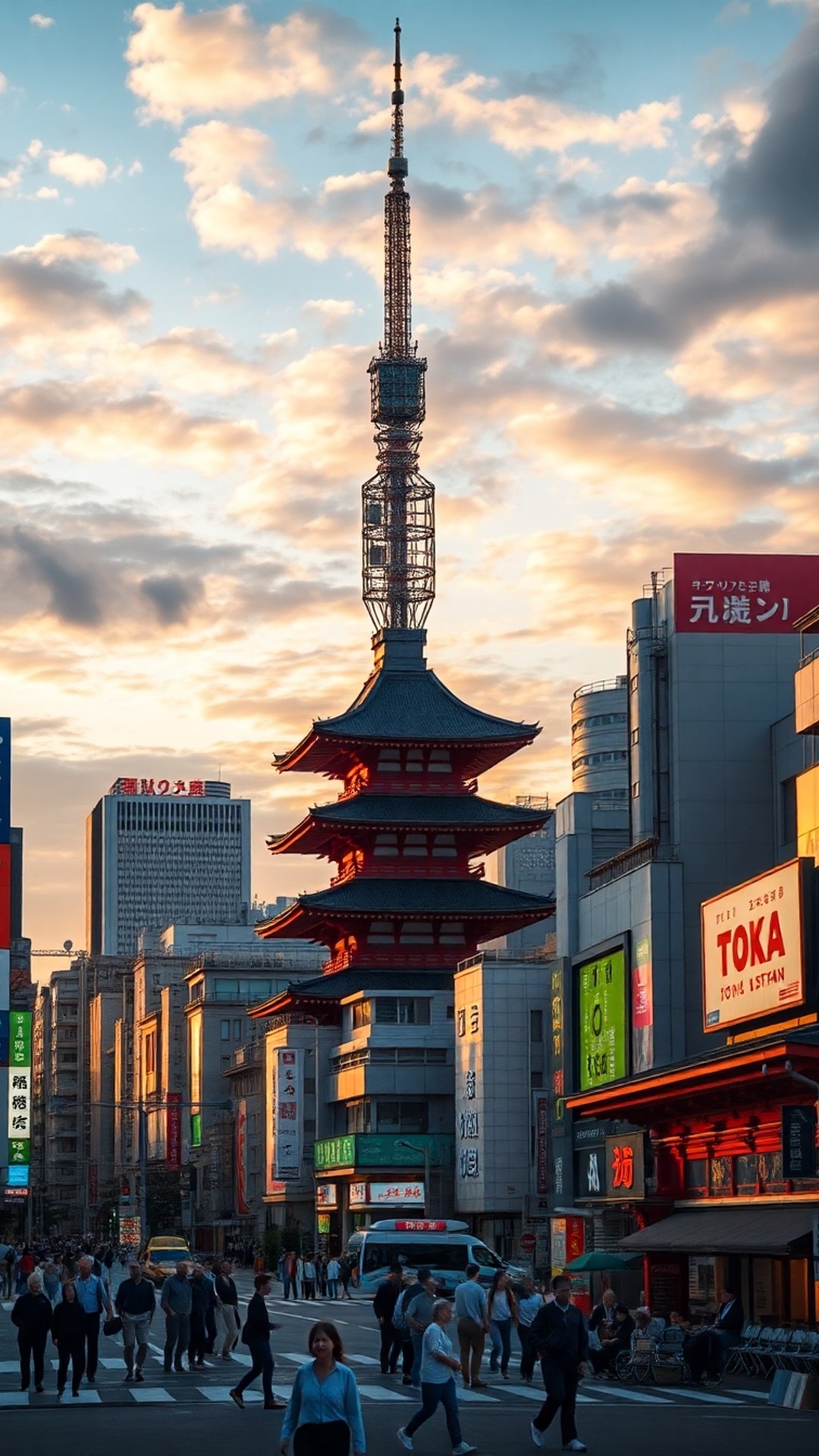
Neon streets, serene shrines, endless discovery — Tokyo blends ultra-modern cityscapes with centuries-old culture, offering an exhilarating mix of food, fashion, and calm pockets of nature. It's a place where efficient public transport and welcoming neighborhoods make exploring effortless for English-speaking travelers.
A cinematic tour of the top sights, food and local tips. Get your own AI voice guide and a trip planned just for you in the Tripmi app.
One of the world's busiest pedestrian intersections — best viewed from the second-floor Starbucks or Shibuya Scramble Square observatory.
Tokyo's oldest Buddhist temple with a lively Nakamise-dori shopping street selling snacks and souvenirs leading to the temple gates.
A peaceful Shinto shrine set in a large, forested park adjacent to Harajuku, popular for traditional ceremonies and shrine walks.
Japan's tallest tower with panoramic observation decks and a large shopping complex (Tokyo Solamachi) at its base.
Vibrant market stalls and restaurants serving fresh seafood and street food; the inner wholesale market moved to Toyosu but Tsukiji remains a food-lovers' hub.
Upscale shopping district with flagship department stores, high-end boutiques, and sophisticated dining.
Electronics, anime, and gaming mecca filled with multi-floor shops, themed cafes, and retro game stores.
Ueno Park offers museums, a zoo, and cherry blossoms; the Tokyo National Museum houses extensive Japanese art and archaeological collections.
Contemporary art at Mori Art Museum and a rooftop city view from Mori Tower in a lively nightlife and dining district.
High-tech entertainment island with teamLab Borderless (note: check current exhibitions), waterfront views, shopping malls, and the Rainbow Bridge.
Bohemian neighborhood known for thrift shops, independent cafes, and a relaxed atmosphere away from the main tourist routes.
Well-maintained gardens and historical ruins offering a tranquil green space in central Tokyo near Marunouchi.
Old Tokyo charm with narrow streets, traditional shops, craft stores, and local snacks in a preserved neighborhood.
Traditional kabuki performances with single-act tickets available; the theatre also has a museum and gift shops.
Harajuku's Takeshita Street is the epicenter of youth fashion, crepes, and quirky boutiques (start at Meiji-Jingu for contrast).
Use the circular JR line to quickly hop between major districts like Shinjuku, Shibuya, and Ueno.
Watch rikishi train at a sumo stable (beya) in places like Ryogoku with advance reservations recommended.
Enjoy small plates and drinks in a casual Japanese gastropub, popular in areas like Ebisu and Shinjuku Golden Gai.
Wander alleys such as Omoide Yokocho or Golden Gai for atmospheric bars and retro eateries.
Sample fresh nigiri at market-side restaurants in Tsukiji or at quality conveyor or counter-sushi spots.
Book a traditional chanoyu session in gardens near Asakusa or in cultural centers for an intimate cultural insight.
Central transport hub with shopping, nightlife, skyscraper observatories, and easy access to the rest of Tokyo.
Youthful, energetic area with famous crossing, endless dining and shopping, and vibrant nightlife.
Historic, more traditional atmosphere near Senso-ji — good for family stays and cultural sightseeing.
Upscale dining and shopping with excellent business hotels and convenient access to Tokyo Station.
Fresh nigiri and sashimi from conveyor belts to high-end omakase counters throughout the city.
Regional varieties available — tonkotsu, shoyu, miso — with popular shops in Shinjuku, Ikebukuro, and Nakameguro.
Lightly battered, perfectly fried seafood and vegetables best enjoyed at specialist tempura restaurants.
Skewered grilled chicken enjoyed at casual yakitori-ya and izakayas, especially around Ebisu and Omoide Yokocho.
Multi-course haute cuisine showcasing seasonal ingredients — reserve in advance for top ryotei and hotels.
Pan-fried batter and fillings — monjayaki is Tokyo-style (Tsukishima) and okonomiyaki is more Kansai-style but common in the city.
Hot springs, views of Mount Fuji (weather permitting), and the Hakone Open-Air Museum about 1.5–2 hours by train.
Coastal town with the Great Buddha (Kotoku-in), temples, and beach access roughly an hour by train.
UNESCO shrine complex (Toshogu) and mountainous national park with waterfalls and hiking about 2–2.5 hours from Tokyo.
Ramen alley in Shinjuku was unforgettable — simple, rich bowls of broth and friendly chefs who chatted while I ate; great late-night energy and easy trains home.
Cherry blossoms at Ueno Park were stunning and the nearby museums made for a perfect, laid-back day; the parks and temples felt peaceful despite being in a huge city.
I loved the mix of old and new — wandering Asakusa's Senso-ji then hopping to Akihabara for gadgets was surreal, and the transit system is impressively punctual.
People were polite and helpful, and I enjoyed small izakayas in residential neighborhoods, though some tourist spots felt pricey; still a city full of surprises.
Tokyo's neighborhoods each have their own vibe — Shimokitazawa's thrift shops and cafés were my favorite for laid-back afternoons and good-value meals.
Chat by voice, text or photo for local tips, food and directions — 24/7 in the Tripmi app.