Tripmi★★★★★ Use it free online · Web & iOS
Open
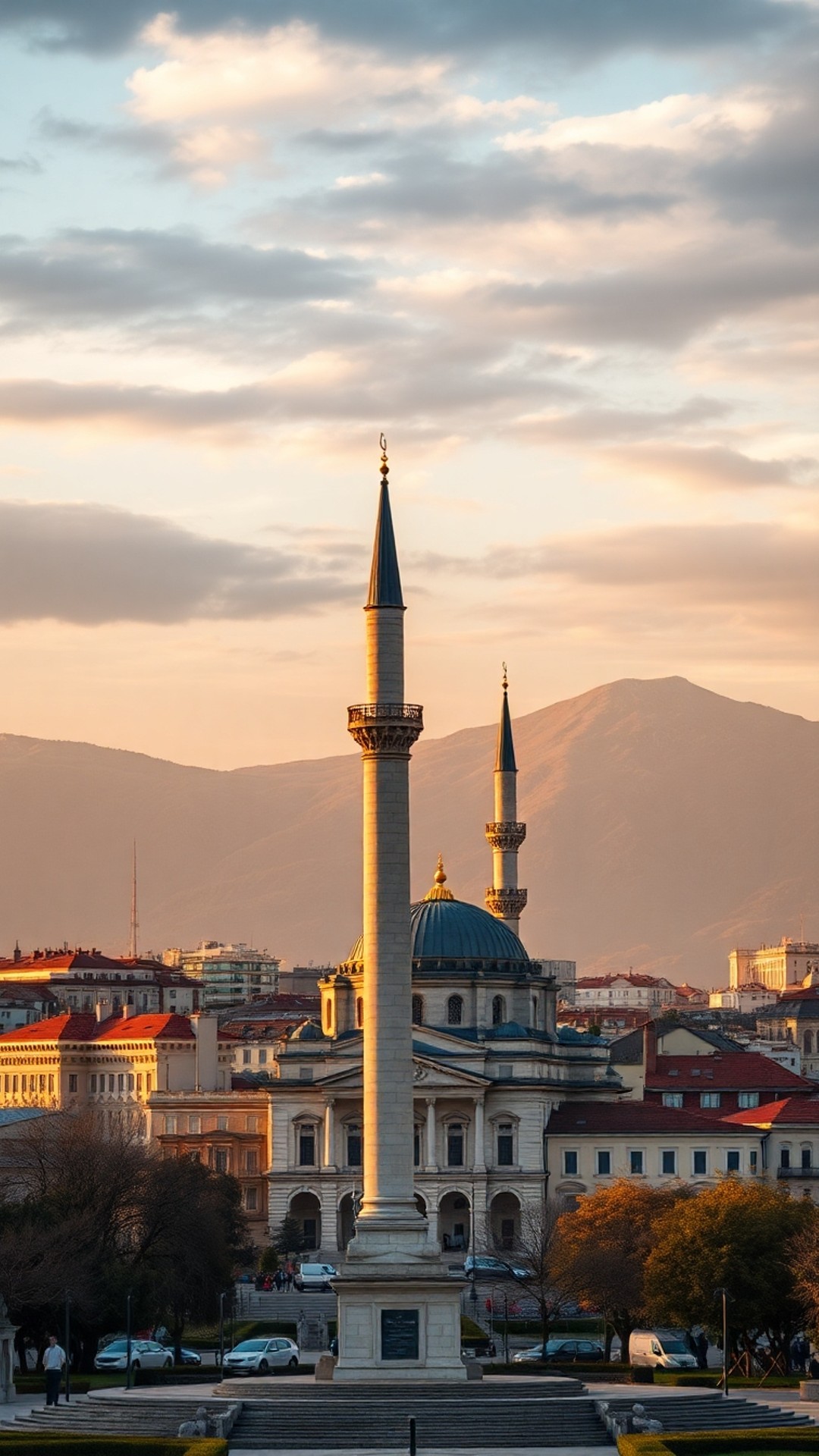
Colorful chaos between mountains and sea — Tirana is Albania’s energetic capital where Ottoman, Communist and contemporary influences collide in vibrant neighborhoods, bold public art, and bustling cafés. It’s a compact, walkable city that serves as a gateway to the Adriatic coast and rugged inland landscapes.
A cinematic tour of the top sights, food and local tips. Get your own AI voice guide and a trip planned just for you in the Tripmi app.
The expansive central plaza named for national hero Gjergj Kastrioti Skënderbeu is surrounded by museums, the Et'hem Bey Mosque and striking modern sculptures.
An 18th–19th century mosque famed for its delicate frescoes and open to visitors outside prayer times.
Albania’s largest museum on Skanderbeg Square features a mosaic façade and exhibits spanning antiquity, the Ottoman era, and communism.
A vast, atmospheric Cold War bunker-turned-museum exploring Albania’s communist-era security state with immersive displays and original architecture.
Located on the outskirts near the Grand Park, this museum focuses on daily life under communism inside a converted anti-nuclear bunker.
Lakeside park popular for jogging, picnics and paddle boats with cafés and walking paths beneath shady trees.
A 15-minute cable car ride up Mount Dajti offers panoramic views over Tirana and hiking, mountain-biking and rustic restaurants at the top.
A revived Ottoman-era market full of fresh produce, fish stalls, colorful fruit stands and nearby cafés and bakeries.
An iconic, controversial concrete structure built for Enver Hoxha’s daughter that now serves as a graffiti-covered urban landmark and meeting point.
The National Gallery showcases Albanian and international modern art, located near central cultural institutions.
The former restricted Communist elite quarter is now Tirana’s trendiest nightlife and dining district with bars, clubs and restaurants.
A small museum dedicated to secret surveillance during the communist era, located in the city center with guided exhibits.
Historic bazaar area with souvenir shops, traditional crafts, cafes and a lively atmosphere near the center.
Large indoor/outdoor market where locals buy meat, dairy and household goods — excellent for observing daily life.
A cultural hub near the National Theatre with performances, theaters and seasonal open-air events.
Ride to the mountain top for hiking, views and traditional mountain restaurants.
Visit the National History Museum and House of Leaves to understand Albanian history.
Sample fresh produce, shop for local specialties and enjoy al fresco cafes.
Discover bold murals and the city’s rebirth through contemporary public art.
Dine in modern restaurants then hop bars in Tirana’s nightlife district.
Visit the historic Krujë Castle and Skanderbeg Museum for medieval Albanian history.
Best for nightlife, restaurants and trendy cafes — lively after dark and convenient for young travelers.
Ideal for first-time visitors who want immediate access to museums, main sights and public transport.
Great for food markets, local atmosphere and easy café access in a colorful district.
Quieter residential area with more affordable accommodation and good bus links to the center.
Flaky savory pastry filled with cheese, spinach or meat — a ubiquitous Albanian snack.
Baked lamb and rice in a tangy yogurt sauce — a comforting national dish.
A baked pepper-and-cheese stew often served with bread as a starter or side.
Fresh Adriatic fish and squid are common in restaurants, especially near coastal-influenced menus.
Seasoned beef or lamb meatballs, often served with salad and bread.
Sweet, flaky layered pastry soaked in syrup, popular for dessert or with coffee.
Historic hilltop town with Skanderbeg Castle, an Ottoman bazaar and national museum about 45 minutes away.
A 30–40 minute drive to Albania’s main port city with a Roman amphitheater and sandy beaches.
A UNESCO-listed ‘town of a thousand windows’ about 2–2.5 hours away, famed for its Ottoman architecture and castle.
Loved wandering the colorful streets around Skanderbeg Square and discovering tiny kafene shops — coffee culture here is a joy and very affordable.
The street food and fresh market near Pazari i Ri were fantastic; I tried byrek and local cheeses while chatting with friendly vendors.
Great mix of modern art and history — the Bunk'Art museum and the new murals around the city made for an unexpectedly interesting weekend.
Enjoyable vibe and lively nightlife in the Blloku area, though taxis can be a bit chaotic; still worth it for the restaurants and bars.
People were incredibly welcoming and many spoke English, I appreciated the mix of Ottoman-era buildings and contemporary cafes while exploring on foot.
Top food, cafés, nightlife and sights in any city — all free in the Tripmi app.