Tripmi★★★★★ Use it free online · Web & iOS
Open
Timeless Arabian harbor, mountains and markets — Muscat blends dramatic rocky coastlines, pristine mosques, and a living maritime heritage, making it a quietly elegant capital to explore. Its compact layout, safe streets, and hospitable culture let visitors experience Omani traditions alongside modern cafés and museums.
A cinematic tour of the top sights, food and local tips. Get your own AI voice guide and a trip planned just for you in the Tripmi app.
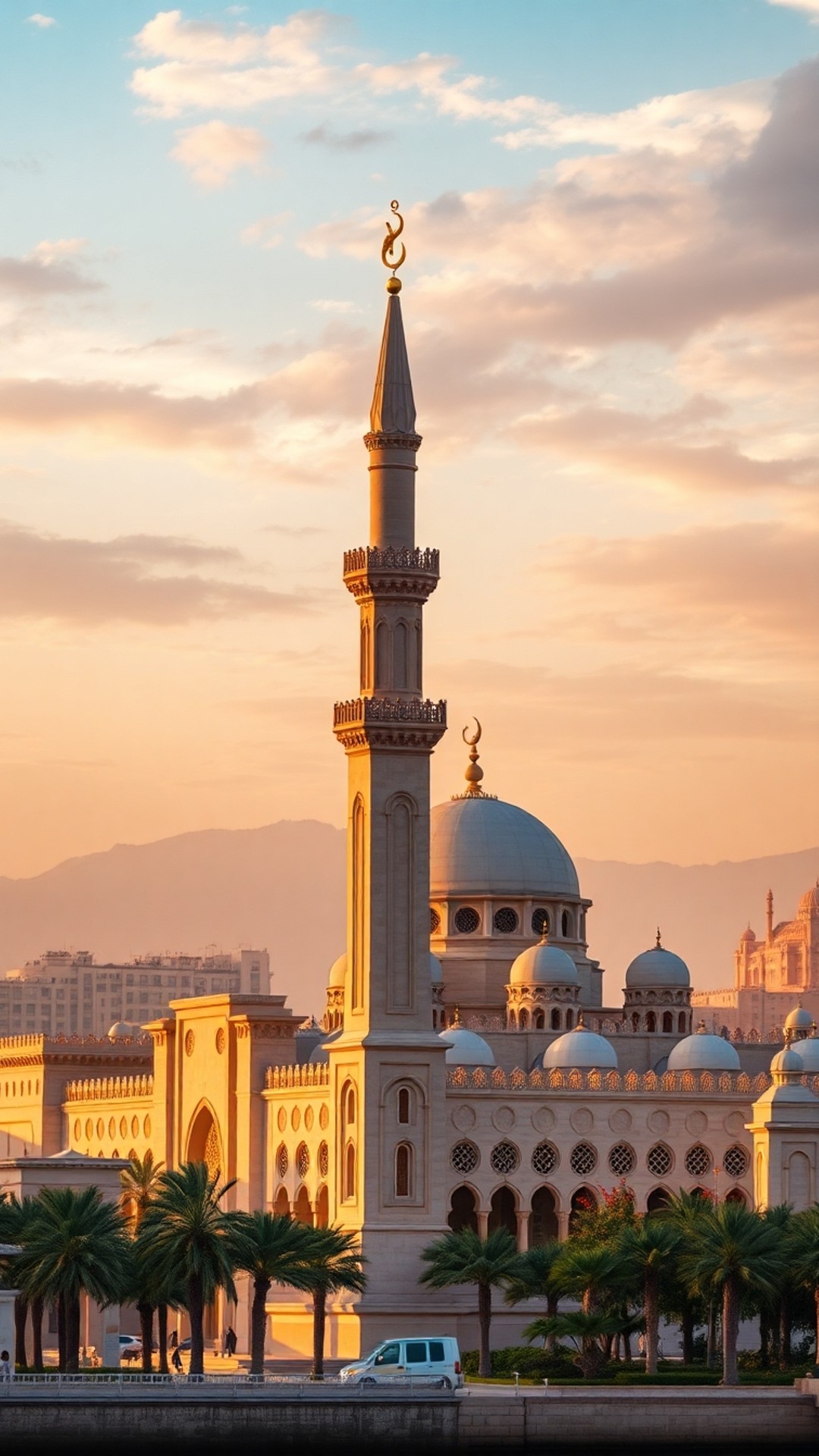
An architectural masterpiece open to non-Muslims outside prayer times, famed for its massive chandelier and one of the world's largest hand-woven carpets.
A scenic waterfront promenade with views of dhows, the harbor and Al Jalali and Al Mirani forts, popular at sunset for strolls and photographers.
A labyrinthine traditional market offering frankincense, silver khanjars, textiles and spices—bargaining is customary here.
A refined performing-arts venue showcasing opera, ballet and Omani cultural performances in an elegant art-deco–inspired building.
The ceremonial palace of Sultan Haitham, notable for its colourful blue and gold façade; best viewed from the waterfront and nearby forts.
A compact museum with excellent displays on Omani heritage, costumes, weaponry and household artifacts.
Two 16th–17th century Portuguese-built forts guarding Muscat harbour—viewable from the Corniche with guided access limited but photo-worthy exteriors.
An urban sandy beach popular for swimming, picnics and nearby cafés, located west of central Muscat near parks.
Muscat’s largest green space with lakes, walking paths and shaded picnic areas—good for families and morning jogs.
A modern, well-curated museum chronicling Oman's history from prehistory to the modern era with interactive exhibits.
A polished waterfront development with boutiques, a marina, beachfront cafés and walking routes—good for upscale dining and shopping.
Close to Muscat, Qantab is a calm beach for boat trips while nearby Bimmah Sinkhole offers a striking turquoise pool set in limestone.
Hilltop park with a giant incense burner monument, panoramic views of Mutrah harbour and a traditional dhow-building yard below.
A bustling early-morning market where local fishermen sell a variety of fresh catch—great for observing daily life and buying seafood.
Explore Oman's luxury perfume heritage through Amouage boutiques in Muscat, famed for oud-based scents and high-end fragrance craftsmanship.
Stroll the waterfront at dusk to watch dhows and forts silhouetted against the setting sun.
Book a ticket for ballet, classical music or Omani cultural shows in an intimate, world-class venue.
A short traditional-boat trip offers harbor views, coastal scenery and dolphin-spotting chances.
Rent a car to explore scenic seaside drives and access lookout points at sunrise.
Practice polite haggling for frankincense, silver and textiles in Mutrah Souq to take home authentic souvenirs.
Enjoy a calm beach day with nearby cafés and shaded spots for families.
Historic harbor area with the Corniche, souq and easy access to cafes—best for atmosphere and coastal walks.
Commercial hub with banks, local restaurants and budget hotels—practical for business travelers and cost-conscious visitors.
Residential and upscale area near beaches, parks and malls—good for families and midrange comfort stays.
Modern marina development with luxury hotels, restaurants and beachfront access—ideal for upscale leisure stays.
Slow-roasted lamb marinated in spices, traditionally cooked underground—available at festivals and some restaurants.
Fragrant rice with meat (chicken or lamb) cooked with spices and dried lime, a regional staple.
A lemony kingfish and rice dish often served at special meals on the coast.
Sticky, sweet confection flavored with saffron, rosewater and nuts, commonly offered with coffee.
Widely available popular street wrap—quick, affordable and commonly eaten by locals.
Grilled hammour, kingfish and shrimp are seasonal specials in Muscat's seaside restaurants.
Rugged canyon with turquoise pools and a cavern—popular for hiking and cliffside swimming (about 1.5–2 hours drive).
Historic fort city and the nearby 'Green Mountain' offering traditional souqs, terraced fruit orchards and cooler highland scenery (2–2.5 hours drive).
UNESCO-associated Bahla Fort and the well-preserved 17th-century Jabreen Castle showcase Omani history and architecture (around 1.5–2 hours drive).
The corniche walks at sunset were unforgettable and the Sultan Qaboos Grand Mosque blew me away — peaceful, immaculately kept, and not as crowded as I expected.
Loved the fresh seafood at Muttrah fish market and the friendly shopkeepers in the souq who happily let me sample spices before buying.
Muscat felt relaxed and genuine — great value taxis, dramatic coastal drives to Wadi Shab, and local cafes with excellent kahwa.
Beautiful architecture and calm atmosphere, though some attractions had limited opening hours which required planning ahead.
Warm people, tasty Omani halwa and shuwa, and a relaxed seaside vibe that made wandering the old town a real pleasure.
Point your camera at a sight and instantly learn its story — with Tripmi's Landmark Guide.