Tripmi★★★★★ Use it free online · Web & iOS
Open
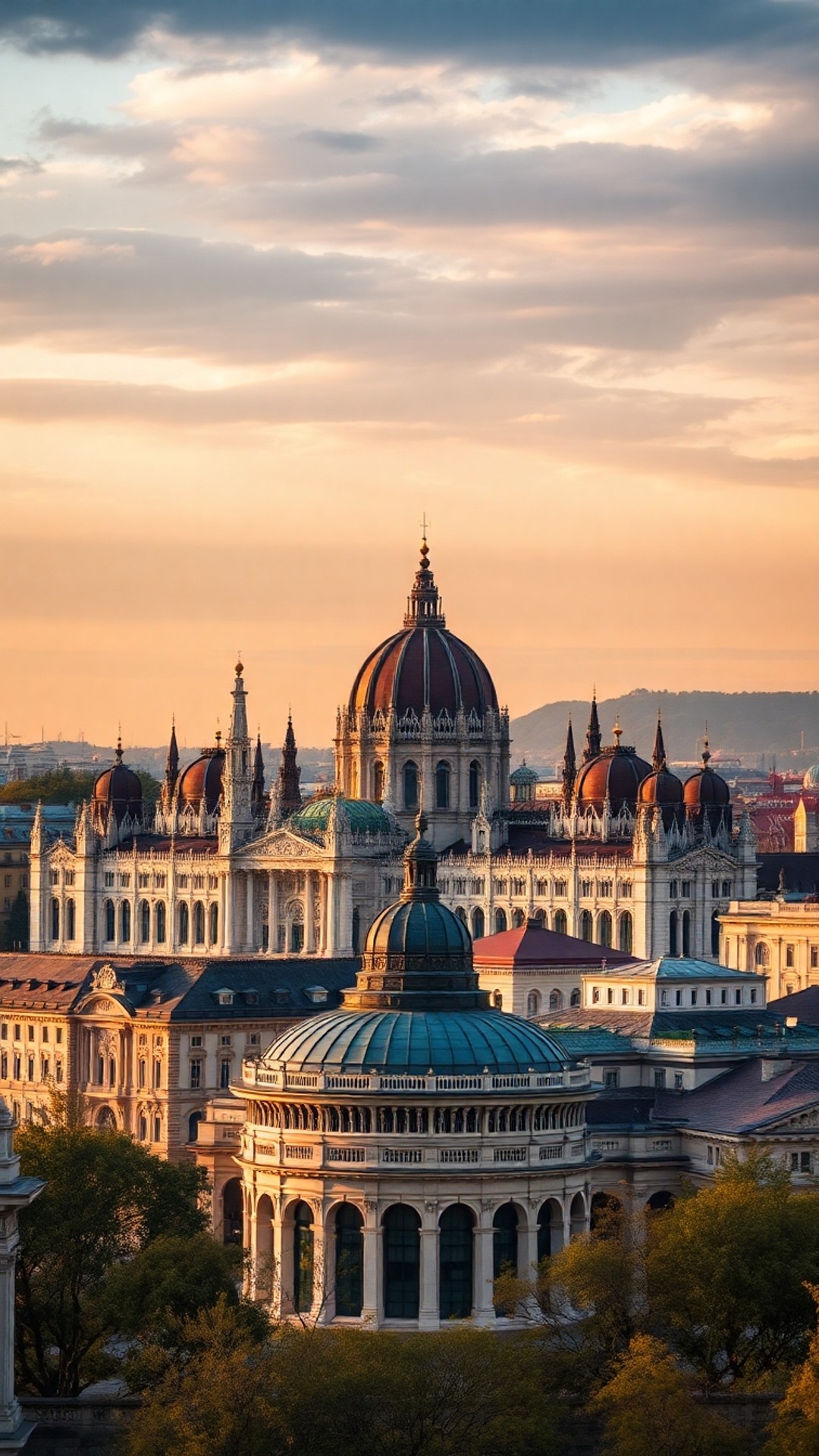
Thermal baths, grand boulevards, riverside romance — Budapest blends imperial grandeur, lively street culture, and thermal spa traditions along the Danube’s twin Buda and Pest banks. Rich architecture, affordable gastronomy, and a thriving arts scene make it an irresistible city-break destination year-round.
A cinematic tour of the top sights, food and local tips. Get your own AI voice guide and a trip planned just for you in the Tripmi app.
A UNESCO World Heritage site on Castle Hill housing the Hungarian National Gallery and offering panoramic views over the Danube and Parliament.
One of Europe’s largest thermal bath complexes with ornate Neo-Baroque architecture and multiple indoor and outdoor pools fed by natural hot springs.
Hungary’s iconic Neo-Gothic parliament on the Danube—book a guided tour in advance to see the grand interior and Crown Jewels.
Fairy-tale terraces and turrets on Buda Hill that provide some of the city’s best photo-ready viewpoints of Pest and the river.
A neoclassical basilica housing the mummified right hand of Hungary’s first king and a panoramic dome you can climb.
Historic indoor market on the Pest side selling paprika, salami, pastries, and souvenirs—great for sampling local food.
The largest synagogue in Europe, part of a complex that includes the Jewish Museum and Holocaust memorials.
A steep climb rewarded with sweeping city views and the Liberty Statue; the Gellért Spa sits at its base.
A stark, well-curated museum documenting Hungary’s experiences under Nazi and Soviet regimes in the building that housed secret police.
Eclectic bars set in abandoned buildings and courtyards offering live music, art, and an offbeat local scene.
A peaceful green island park in the middle of the Danube with jogging tracks, medieval ruins, and botanical gardens.
A richly decorated Neo-Renaissance opera house offering guided tours and world-class performances.
A grand boulevard lined with boutiques, cafés, and mansions, linking the city center to City Park.
A monumental square featuring the Millenary Monument and statues of Hungary’s great leaders beside City Park.
An open-air park on the city outskirts exhibiting statues and monuments from Hungary’s communist era.
Spend an afternoon at Széchenyi or Gellért to experience Budapest’s famous spa culture.
See illuminated landmarks at sunset or take a daytime sightseeing cruise under the city’s historic bridges.
Bar-hop in the Jewish Quarter to feel Budapest’s creative nightlife and street-art vibe.
Relax in green space, rent a bike, or watch locals playing sports and picnicking.
Tour the Hungarian National Gallery, Museum of Fine Arts, and House of Terror for historical and artistic context.
Catch a performance at St. Stephen’s Basilica or the Opera House for acoustics and atmosphere.
Central location near the Danube, Parliament, restaurants, and main shopping streets—ideal for first-time visitors.
Vibrant nightlife, ruin bars, and street art with many affordable eateries and boutique guesthouses.
Historic, quieter, and scenic—perfect if you want old-world charm and hilltop views.
A mix of cafés, markets, and thermal baths with good transport links and local dining options.
A hearty paprika-spiced beef and vegetable stew—Hungary’s best-known comfort food.
Deep-fried flatbread typically topped with garlic, sour cream, and cheese—perfect as a street-food snack.
Chicken in a creamy, sweet paprika sauce usually served with nokedli (dumplings).
Layered sponge cake with chocolate buttercream and a caramel top—a classic Hungarian dessert.
Sweet, spit-roasted pastry rolled in sugar and cinnamon sold at markets and festivals.
Cabbage leaves filled with meat and rice in a tomato-paprika sauce, often served in winter.
A picturesque riverside town 40 minutes north with colorful baroque houses, museums, and artisan shops.
Hilltop medieval citadel and panoramic viewpoints above the Danube Bend, good for hiking and history.
Home to Hungary’s largest basilica and a riverside museum—an important religious and historical site.
I loved wandering the Castle District at sunset — the views over the Danube and the Parliament building are unforgettable, and the small cafés served excellent espresso and strudel.
The baths are a must: Széchenyi was crowded but the thermal pools and steam rooms were pure relaxation, and the surrounding park makes it feel like a local weekend ritual.
Great food scene with affordable, tasty goulash and inventive bistros, though some tourist spots felt a bit overpriced; still worth it for the historic architecture and lively ruin bars.
Friendly people and easy public transport made exploring simple — I especially enjoyed the tram rides along the river and discovering hidden courtyards in the Jewish Quarter.
Budapest at night is magical: illuminated bridges and cozy late-night bakeries made evening walks delightful, and I found excellent value for quality wine and pastries.
Chat by voice, text or photo for local tips, food and directions — 24/7 in the Tripmi app.