Tripmi★★★★★ Use it free online · Web & iOS
Open
Ancient palaces, pulsating modern life — Beijing blends millennia-old history with fast-paced modern culture, offering imperial landmarks, world-class art, and dynamic street life. It's a city for first-time visitors and repeat travelers who want deep dives into food, history, and contemporary China.
A cinematic tour of the top sights, food and local tips. Get your own AI voice guide and a trip planned just for you in the Tripmi app.
The vast imperial palace complex from the Ming and Qing dynasties with ornate halls, courtyards, and the nearby Meridian Gate; buy timed tickets in advance.
Popular, well-restored sections of the Great Wall within a 1–2 hour drive from the city—Badaling for accessibility and Mutianyu for cable cars and fewer crowds.
One of the world's largest public squares, bordering the Forbidden City and monuments like the Monument to the People's Heroes and Mao's Mausoleum.
Imperial garden and lakeside retreat with classical pavilions, the Long Corridor, and boating on Kunming Lake.
A UNESCO site where Ming and Qing emperors performed ceremonies; the surrounding park is lively with tai chi and local morning activities.
Converted factories housing contemporary galleries, design shops, street art, and cafés showcasing China's contemporary art scene.
Narrow alleys with traditional courtyard homes, boutique shops, bars, and a chance to see everyday Beijing life.
Iconic 2008 Olympic venues in Chaoyang, impressive for architecture and evening illumination.
Huge museum on Tiananmen Square covering Chinese art and history; free entry but expect security checks and possible timed slots.
One of the best-preserved Tibetan Buddhist monasteries in China, with vibrant prayer halls and ornate statuary.
Famous pedestrian shopping street with department stores and a night market offering adventurous snacks and local specialties.
Historic imperial garden with a large lake, white dagoba, and pleasant walking routes near the Forbidden City.
Modern museum focusing on Beijing's history and artifacts, with English signage and rotating exhibitions.
Historic commercial corridor south of Tiananmen with restored architecture, shops, and access to rickshaw and tram tours.
Cluster of well-regarded eateries in restored courtyard houses serving regional Chinese dishes and international options.
Explore narrow alleys, meet locals, and see courtyard homes on a guided rickshaw or walking tour.
Choose Mutianyu for restored steps and cable car access or Jinshanling for a more rugged hike and views.
Book a performance at a reputable theatre like the Liyuan Theatre for traditional opera or the Chaoyang Theatre for acrobatics.
Rent a bike or join locals for an early-morning ride among historic paths and open space.
Sample regional Beijing dishes and street-food specialties with a local guide who can explain ingredients and etiquette.
Many national museums offer free or discounted entry—plan ahead for registration and ID requirements.
Central, historic district near the Forbidden City and many museums—ideal for sightseeing and hutong walks.
Modern diplomatic and business hub with embassies, international restaurants, nightlife, and the 798 Art District.
University district (Peking and Tsinghua) with a youthful vibe, parks, and access to the Summer Palace and top museums.
Quieter residential area west of central Beijing with traditional markets, local eateries, and easy subway access.
Crispy-skinned roasted duck served with pancakes, scallions, and hoisin or sweet bean sauce—try at Quanjude or Da Dong.
Boiled or pan-fried dumplings filled with pork, lamb, or vegetables, ubiquitous and inexpensive.
Noodles topped with a savory soybean and minced pork sauce; a Beijing comfort food classic.
Communal simmering pot with thinly sliced meats and vegetables—popular in winter.
Candied hawthorn or fruit skewers found at street stalls, especially on Wangfujing Snack Street.
Fluffy steamed buns with savory or sweet fillings, perfect for a quick breakfast or snack.
Well-preserved, scenic section with cable cars and toboggan rides, about 1.5 hours from Beijing.
Imperial mausoleums set in forested hills with the Sacred Way lined by stone statues, around an hour north of Beijing.
A former imperial summer retreat with palaces and temples; longer day trip (~3–4 hours) or overnight option.
The Forbidden City and Temple of Heaven blew me away — the scale and detail are unreal — and the nearby hutongs are perfect for wandering and finding tiny noodle shops.
Incredible street food in Wangfujing and Donghuamen — tried scorpion (for the experience) and the jianbing I had every morning was unbeatable.
Friendly people helped me navigate the subway and recommended a hilarious local opera show; great mix of ancient sites and lively modern neighborhoods.
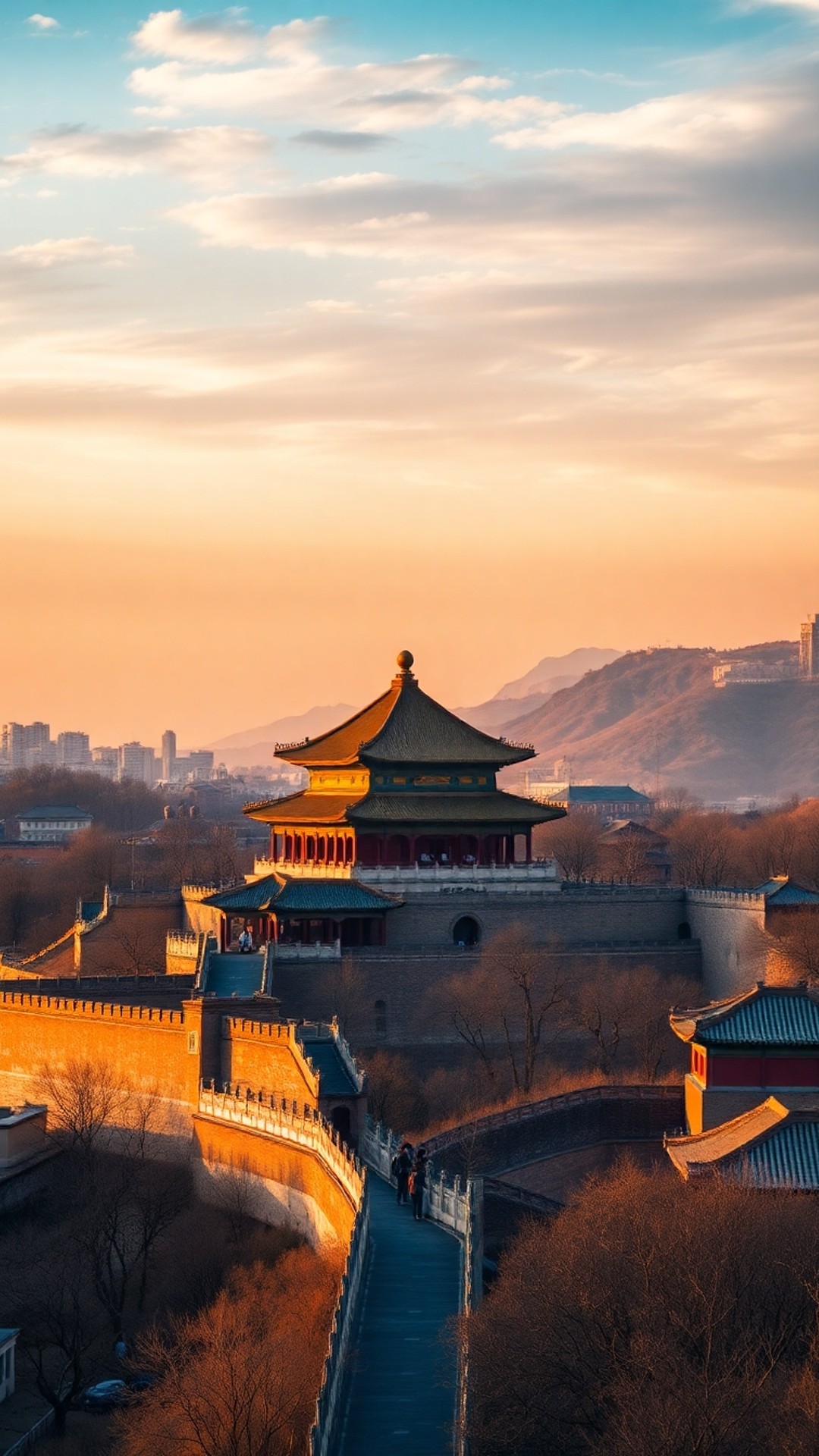
Loved cycling along the old city walls and watching the sunset at Jingshan Park — amazing skyline views and an easy, relaxed vibe despite the size of the city.
Great value for culture and food, though some attractions felt crowded; still worth it for the Great Wall day trip and the roast duck in Qianmen.
Point your camera at a sight and instantly learn its story — with Tripmi's Landmark Guide.